

There’s something magical about a bubbling pot of kimchi stew on a cold evening. This beloved Korean comfort food, known as kimchi jjigae, transforms humble ingredients into a spicy, tangy masterpiece that’ll warm you from the inside out. Whether you’re a Korean cuisine enthusiast or just discovering the wonders of fermented cabbage, this kimchi stew recipe is your ticket to authentic flavors without leaving your kitchen.
Table of Contents
What Makes Kimchi Stew So Special?
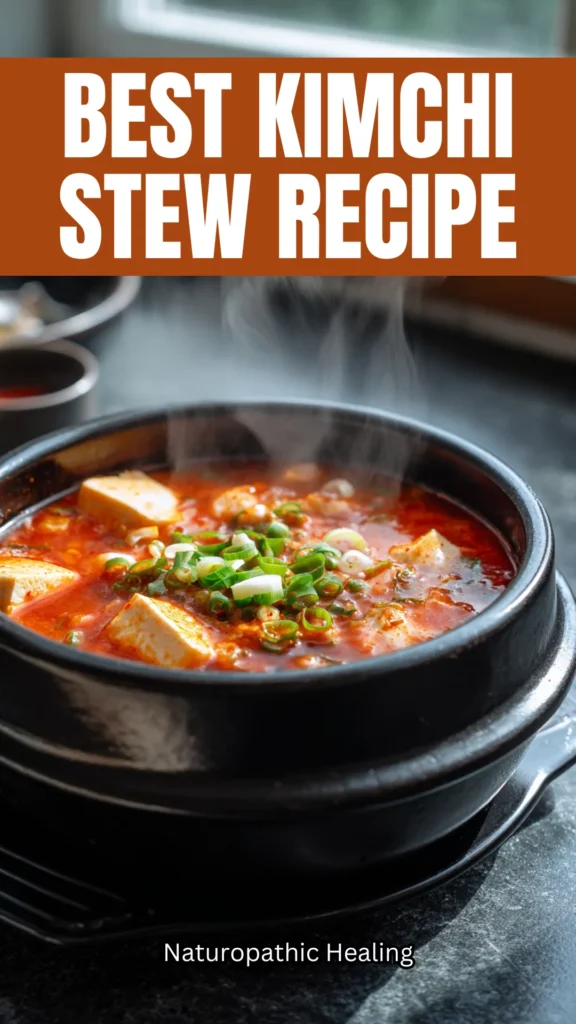
Kimchi stew isn’t just another soup—it’s a cultural icon that’s been simmering in Korean households for generations. The beauty lies in its simplicity. You’re essentially taking fermented kimchi, which already packs incredible depth of flavor, and coaxing out even more complexity through cooking. The fermentation process creates layers of umami that intensify when heated, creating that signature tang that keeps you reaching for another spoonful.
The best part? This dish is incredibly forgiving. Got some kimchi that’s been sitting in your fridge a bit too long? Perfect! Older, more fermented kimchi actually makes the most flavorful kimchi stew. It’s one of those rare recipes where “past its prime” ingredients shine brightest.
Building Your Perfect Kimchi Stew

The foundation of great kimchi stew starts with quality kimchi. While you can use store-bought varieties, the kimchi itself should be well-fermented—that’s where the magic happens. You’ll combine it with pork belly or tofu for protein, though I’ve found pork belly adds an irresistible richness that complements the kimchi’s acidity beautifully.
The cooking process is wonderfully straightforward. You’ll sauté your protein and kimchi first, which helps develop those deep, caramelized flavors. Then comes the broth, typically made with anchovy stock or even just water, along with kimchi juice—don’t throw that liquid gold away! A dollop of Korean red pepper paste (gochugaru) amplifies the heat, while a touch of sugar balances everything out. Serves: 4 people.
Classic Korean Kimchi Stew Recipe
Ingredients
- 2 cups well-fermented napa cabbage kimchi, roughly chopped (Learn how to make kimchi)
- 8 oz pork belly, sliced (or firm tofu for a vegetarian option)
- 1/2 medium onion, sliced
- 2 cloves garlic, minced
- 3 cups water or anchovy stock
- 1/4 cup kimchi juice
- 2 tablespoons Korean red pepper flakes (gochugaru)
- 1 tablespoon soy sauce
- 1 teaspoon sugar
- 1 block medium-firm tofu, cubed
- 2 green onions, chopped
- 1 tablespoon sesame oil
- Salt to taste
Instructions
- Heat a large pot or Korean earthenware pot over medium-high heat
- Add pork belly slices and cook until slightly browned, about 3-4 minutes
- Add kimchi and garlic, stir-frying together for 5 minutes to develop flavor
- Pour in water or stock, kimchi juice, and add gochugaru, soy sauce, and sugar
- Bring to a vigorous boil, then reduce the heat and simmer for 15-20 minutes
- Add tofu cubes and continue simmering for another 5 minutes
- Taste and adjust seasoning with salt if needed
- Stir in sliced onions and cook for 2 more minutes
- Drizzle with sesame oil and garnish with green onions
- Serve immediately with steamed rice
Tips for Kimchi Stew Success
Temperature matters when serving kimchi stew. Koreans traditionally serve it piping hot in a stone pot that continues bubbling at the table. If you don’t have a stone pot, a regular pot works fine—just make sure it’s served immediately while everything’s still steaming.
Don’t be afraid to customize your kimchi stew. Some people add mushrooms for earthiness, others throw in leftover vegetables. Instant ramen noodles? They’re a popular addition that transforms this into an even heartier meal. The beauty of this dish is its versatility.
The leftovers, if you’re lucky enough to have any, taste even better the next day. The flavors meld together overnight, creating an even more complex and satisfying bowl. Just reheat gently and add a splash of water if it’s reduced too much.
Bringing Korea to Your Table
Making kimchi stew at home connects you to centuries of Korean culinary tradition. It’s comfort food that requires minimal effort but delivers maximum satisfaction. The combination of spicy, sour, and savory notes creates a harmony that’s hard to resist, especially when paired with fluffy white rice and some crispy side dishes.
This recipe proves that authentic Korean cooking doesn’t require specialty equipment or hard-to-find ingredients. With good kimchi and a few pantry staples, you’re twenty minutes away from a restaurant-worthy meal that’ll impress everyone at your table.
Love this kimchi stew recipe? Save this pin to your Korean recipes or comfort food board on Pinterest and share it with friends who appreciate bold, flavorful dishes!

