

Manuka honey, derived from the nectar of the Manuka tree (Leptospermum scoparium) native to New Zealand and Australia, has gained significant attention for its health benefits in humans. However, its potential advantages for dogs are often overlooked. This article delves into the various benefits of Manuka honey for dogs, supported by research, case studies, and practical applications.
Table of Contents
What is Manuka Honey?

Manuka honey is unique due to its high concentration of methylglyoxal (MGO), a compound responsible for its antibacterial properties. Unlike regular honey, which has some antibacterial qualities, Manuka honey is particularly potent, making it a valuable natural remedy.
Health Benefits of Manuka Honey for Dogs
Manuka honey offers a range of health benefits for dogs, including:
- Antibacterial Properties: Manuka honey is known for its ability to combat bacteria, making it effective in treating wounds and infections.
- Anti-inflammatory Effects: It can help reduce inflammation, which is beneficial for dogs suffering from conditions like arthritis.
- Digestive Health: Manuka honey can aid in digestion and help alleviate gastrointestinal issues.
- Boosting Immunity: Regular consumption may enhance a dog’s immune system, helping them fend off illnesses.
- Skin Health: It can be used topically to treat skin conditions, including hot spots and allergies.
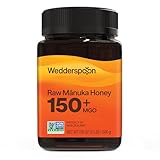
- 150+ MGO: Elevated strength for immune support and vitality; batch-tested for quality and purity

Antibacterial Properties: A Closer Look
The antibacterial properties of Manuka honey are primarily attributed to its high MGO content. Research has shown that MGO can inhibit the growth of various bacteria, including:
- Staphylococcus aureus: A common bacteria that can cause skin infections.
- Escherichia coli: Often associated with gastrointestinal issues.
- Salmonella: A bacteria that can lead to severe digestive problems.
In a study published in the journal Frontiers in Microbiology, researchers found that Manuka honey effectively inhibited the growth of these bacteria, suggesting its potential as a natural treatment for infections in dogs.
How to Use Manuka Honey for Dogs
Incorporating Manuka honey into your dog’s diet or care routine can be done in several ways:
- Topical Application: For wounds or skin irritations, apply a thin layer of Manuka honey directly to the affected area. Cover it with a bandage if necessary.
- Oral Consumption: You can give your dog a small amount of Manuka honey (consult your veterinarian for the appropriate dosage based on your dog’s size and health condition).
- Mixing with Food: Drizzle Manuka honey over your dog’s food or mix it into their treats for added health benefits.
Case Studies: Success Stories with Manuka Honey
Several pet owners have reported positive outcomes after using Manuka honey for their dogs. Here are a few notable case studies:
Case Study 1: Wound Healing
A Labrador Retriever named Max suffered from a deep cut on his paw after a hike. The owner applied Manuka honey to the wound daily. Within two weeks, the wound showed significant improvement, with reduced redness and swelling. The owner noted that the honey not only helped heal the wound but also kept it free from infection.
Case Study 2: Digestive Issues
A Beagle named Bella experienced chronic digestive problems, including diarrhea and vomiting. After consulting with a veterinarian, the owner introduced Manuka honey into Bella’s diet. Over a month, Bella’s digestive health improved significantly, with fewer episodes of gastrointestinal distress.
Potential Risks and Considerations
While Manuka honey is generally safe for dogs, there are some considerations to keep in mind:
- Allergies: Some dogs may be allergic to honey. Monitor your dog for any signs of an allergic reaction, such as itching or swelling.
- Diabetes: Dogs with diabetes should avoid honey due to its high sugar content. Always consult your veterinarian before introducing new foods.
- Quality Matters: Ensure you purchase high-quality, raw Manuka honey with a high MGO rating for maximum benefits.
How to Choose the Right Manuka Honey
When selecting Manuka honey for your dog, consider the following factors:
- MGO Rating: Look for honey with an MGO rating of at least 100+. Higher ratings indicate stronger antibacterial properties.
- UMF Certification: The Unique Manuka Factor (UMF) rating is a quality mark that indicates the purity and potency of Manuka honey. A UMF rating of 10+ is generally considered effective.
- Raw and Unprocessed: Choose raw, unprocessed honey to ensure it retains its natural enzymes and nutrients.
Integrating Manuka Honey into Your Dog’s Diet
To effectively integrate Manuka honey into your dog’s diet, consider the following tips:
- Start Slow: Introduce Manuka honey gradually to monitor your dog’s reaction.
- Mix with Other Foods: Combine it with your dog’s favorite treats or food to make it more appealing.
- Consult Your Veterinarian: Always discuss dietary changes with your vet, especially if your dog has pre-existing health conditions.
Conclusion: The Sweet Benefits of Manuka Honey for Dogs
Manuka honey is a powerful natural remedy that offers numerous health benefits for dogs, from antibacterial properties to digestive support. Its unique composition makes it a valuable addition to your dog’s health regimen, particularly for treating wounds and enhancing overall well-being.
As with any supplement, it is essential to consult with your veterinarian before introducing Manuka honey into your dog’s diet. By choosing high-quality Manuka honey and using it appropriately, you can harness its benefits to improve your dog’s health and quality of life.
In summary, the key takeaways regarding Manuka honey for dogs include:
- Manuka honey has potent antibacterial and anti-inflammatory properties.
- It can be used topically for wounds and orally for digestive health.
- Quality matters; choose honey with a high MGO rating and UMF certification.
- Always consult your veterinarian before making dietary changes.
By understanding and utilizing the benefits of Manuka honey, you can contribute to your dog’s health and happiness in a natural and effective way.
