

In a world where wellness is increasingly valued, brewing a cup of tea offers more than just comfort. Different teas and their benefits have been recognized across cultures for centuries, with each variety offering unique properties that can enhance your health and well-being. From the robust antioxidants in green tea to the soothing qualities of chamomile, understanding the diverse world of teas can help you make informed choices for your lifestyle needs.
Table of Contents
The Rich History of Tea Consumption

Tea drinking dates back thousands of years, with origins deeply rooted in ancient China. What began as a medicinal beverage eventually transformed into the world’s second most consumed drink after water. The cultural significance of different teas varies globally, but their health-promoting properties remain universally acknowledged.
When I first discovered the diverse world of teas beyond the standard black tea bags in my pantry, I was amazed at how each variety could serve a different purpose in my daily routine. Whether you’re looking for an energy boost, stress relief, or digestive support, there’s likely a tea perfectly suited to your needs.
Types of Tea and Their Unique Benefits
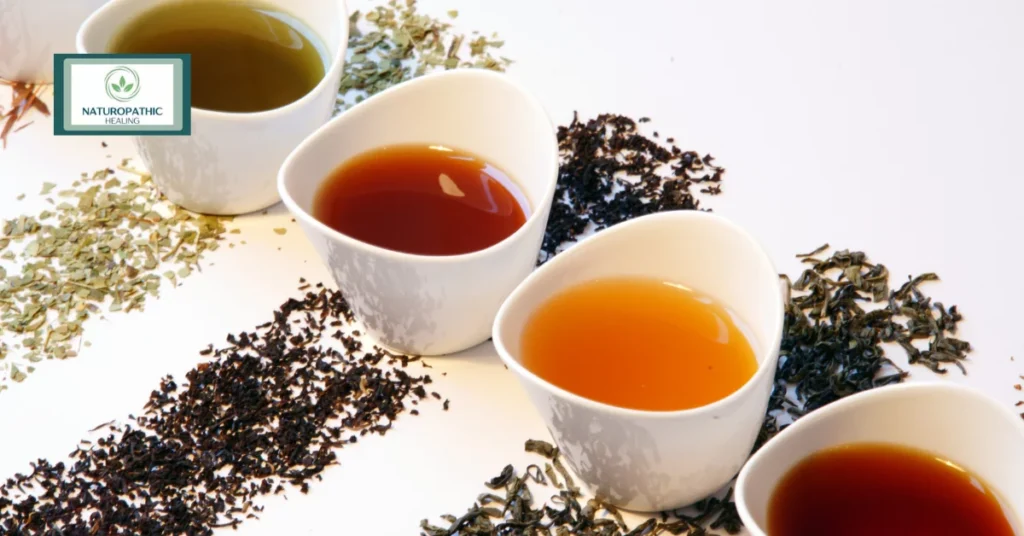
Green Tea: The Antioxidant Powerhouse
Green tea stands out as one of the least processed tea varieties, allowing it to retain high levels of beneficial antioxidants called catechins. The star compound, EGCG (epigallocatechin gallate), has been studied extensively for its potential to:
- Support metabolism and weight management
- Protect brain function and promote cognitive health
- Reduce inflammation throughout the body
- Support cardiovascular health by improving cholesterol levels
What makes green tea special is its production process. The leaves are harvested and quickly heated to prevent oxidation, preserving their natural compounds and resulting in that distinctive, slightly grassy flavor profile. For best results, brew green tea at a lower temperature (around 175°F) to avoid bitterness and maximize health benefits.
Black Tea: The Energizing Classic
When you need a morning pick-me-up, black tea delivers with its robust flavor and higher caffeine content. Fully oxidized during processing, black tea develops complex flavors and transforms its antioxidant profile to include theaflavins and thearubigins, which offer their own impressive benefits:
- Supporting heart health and healthy blood pressure
- Promoting gut health with prebiotic properties
- Providing steady, sustained energy without the crash associated with coffee
- Contributing to oral health by inhibiting bacterial growth
The bold character of black tea makes it perfect for breakfast blends, and it serves as the foundation for popular variations like Earl Grey and chai. Its versatility allows you to enjoy it hot, iced, with milk, or sweetened according to your preference.
White Tea: The Delicate Gem
Harvested from the youngest leaves and buds of the tea plant, white tea undergoes minimal processing and offers a subtle, sweet flavor profile. This gentle approach to production means white tea retains high levels of natural polyphenols and provides:
- Powerful antibacterial and antiviral properties
- Skin health support through collagen protection
- Lower caffeine content for those sensitive to stimulants
- Potentially stronger cancer-fighting properties than more processed teas
I’ve found white tea to be perfect for afternoon sipping when I want something light yet satisfying. Its delicate nature requires careful brewing at lower temperatures (around 160°F) to preserve its nuanced flavors and benefits.
Oolong Tea: The Perfect Middle Ground
Occupying the space between green and black teas, oolong is partially oxidized, creating a fascinating spectrum of flavors from light and floral to dark and roasted. This unique processing contributes to oolong’s balanced polyphenol profile that offers:
- Support for metabolic health and fat burning
- Potential benefits for reducing heart disease risk
- Neuroprotective properties for brain health
- Stress reduction and mood improvement qualities
Each variety of oolong has its distinct character, making this category especially fun to explore for tea enthusiasts. The complexity of flavors makes oolong an excellent companion for mindful tea drinking sessions.


Herbal Infusions: Beyond Traditional Tea

While not technically “tea” since they don’t come from the Camellia sinensis plant, herbal infusions offer an incredible array of health benefits without caffeine, making them perfect for evening consumption.
Chamomile: Nature’s Calming Agent
This daisy-like flower creates a soothing brew with naturally calming compounds that can:
- Promote better sleep quality
- Reduce anxiety and stress
- Support digestive comfort
- Offer anti-inflammatory effects throughout the body
I often reach for chamomile in the evening hours when winding down, as its gentle effects help signal to my body that it’s time to relax and prepare for rest.
Peppermint: The Digestive Soother
With its refreshing flavor profile, peppermint tea contains menthol compounds that work wonders for:
- Easing digestive discomfort and bloating
- Relieving tension headaches
- Opening the nasal passages during the cold season
- Providing caffeine-free energy and mental clarity
The cooling sensation of peppermint tea makes it particularly refreshing as an iced beverage during summer months, while also serving as an excellent digestive aid after heavy meals.
Rooibos: The Nutrient-Rich Red Tea
Hailing from South Africa, rooibos (or “red bush”) tea offers a naturally sweet flavor and impressive mineral content, including:
- Iron, calcium, and potassium to support overall health
- Antioxidants that may help protect cells from damage
- Anti-inflammatory compounds for joint health
- Zero caffeine, making it suitable for evening or those avoiding stimulants
The naturally sweet, slightly nutty flavor of rooibos means it rarely needs sweetening, making it a perfect option for those monitoring sugar intake while still wanting a satisfying beverage.
Ginger Tea: The Warming Healer
Fresh or dried ginger steeped in hot water creates a spicy, warming brew with powerful bioactive compounds that provide:
- Natural nausea relief, particularly useful during pregnancy or travel
- Anti-inflammatory effects that may help with joint pain
- Immune system support, especially during cold and flu season
- Circulation improvement and warming properties
Adding a squeeze of lemon and a touch of honey to ginger tea creates a particularly effective remedy during the first signs of a cold or when dealing with a sore throat.


How to Maximize the Benefits of Different Teas
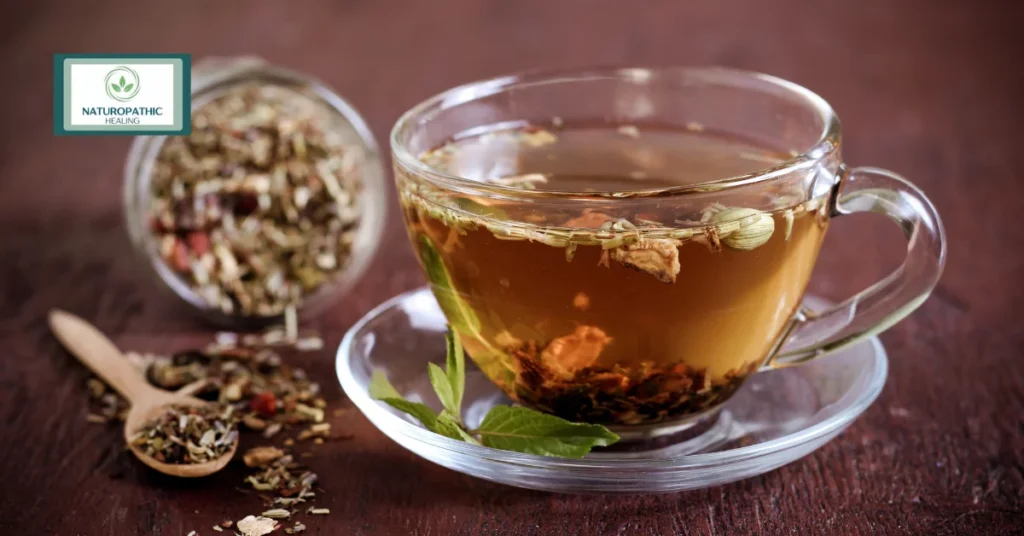
To get the most from your tea drinking experience, consider these practical tips:
- Proper brewing techniques matter tremendously. Follow temperature guidelines for each variety to preserve delicate compounds and avoid bitter flavors.
- Aim for loose-leaf tea when possible, as the whole leaves typically contain more beneficial compounds than the dust and fannings often found in tea bags.
- Consider brewing time carefully – green and white teas typically need just 1-3 minutes, while black teas and herbals benefit from 3-5 minutes to extract their full potential.
- For maximum antioxidant absorption, consider adding a squeeze of citrus to your tea, as vitamin C can help your body utilize tea’s beneficial compounds more effectively.
- Be mindful of adding milk to certain teas, as research suggests it may bind to some beneficial compounds in teas like green tea, potentially reducing their bioavailability.
Incorporating Different Teas into Your Daily Wellness Routine
Creating a personalized tea routine can be a beautiful way to support your health goals and add mindful moments throughout your day. Here’s how I structure my tea consumption for maximum benefit:
- Morning: A robust black tea or matcha green tea to energize and kickstart metabolism
- Mid-morning: White or green tea to maintain focus without excess caffeine
- After lunch: Oolong tea to support digestion and provide a gentle afternoon lift
- Evening: Herbal options like chamomile, lemon balm, or rooibos to signal the body it’s time to wind down
Remember that hydration benefits come with all tea consumption, making it an excellent way to meet your daily fluid needs while simultaneously delivering beneficial compounds.
Potential Considerations and Precautions
While tea offers numerous health benefits, a few considerations are worth noting:
- Caffeine sensitivity varies greatly between individuals. If you’re sensitive, stick to white teas, decaffeinated options, or herbal infusions, particularly in the afternoon and evening.
- Those taking certain medications should consult healthcare providers, as compounds in some teas (particularly green tea) may interact with blood thinners, stimulants, or blood pressure medications.
- Tannins in tea can potentially reduce iron absorption when consumed with meals. If you have iron deficiency concerns, consider enjoying your tea between meals rather than with food.
- Quality matters significantly – opt for organic teas when possible to minimize exposure to pesticides and ensure you’re getting the purest form of these beneficial beverages.
Conclusion: Finding Your Perfect Cup
The world of different teas and their benefits offers a fascinating journey of discovery, with each variety presenting its unique flavor profile and wellness properties. From the energizing effects of black tea to the calming embrace of chamomile, there’s truly something for every need, preference, and time of day.
I encourage you to explore beyond your usual cup and experiment with new varieties. The ritual of preparing and savoring tea can itself become a mindful practice, offering moments of pause in our busy lives while simultaneously supporting our health in countless ways.
Found this guide to different teas and their benefits helpful? Save this pin to your wellness or beverage Pinterest board for future reference, and share it with friends who might be interested in exploring the wonderful world of tea. After all, good health and great flavors are always better when shared!