

As summer approaches, so does the inevitable invasion of mosquitoes. These pesky insects not only cause discomfort with their bites but can also transmit diseases such as West Nile virus, Zika virus, and malaria. While chemical repellents are widely available, many people are turning to natural alternatives, particularly essential oils. This article explores the effectiveness of essential oils as mosquito repellents, the science behind them, and how to use them safely and effectively.
Table of Contents
The Science Behind Mosquito Attraction
Understanding why mosquitoes are attracted to humans is crucial in developing effective repellents. Mosquitoes are drawn to carbon dioxide, body heat, and certain body odors. Factors such as skin bacteria, sweat, and even the color of clothing can influence their attraction. Here are some key points:
- Carbon Dioxide: Mosquitoes can detect carbon dioxide from up to 50 meters away.
- Body Heat: They are attracted to warmth, which helps them locate their hosts.
- Body Odors: Lactic acid, uric acid, and ammonia in sweat can attract mosquitoes.
- Skin Bacteria: The composition of bacteria on our skin can influence how attractive we are to mosquitoes.
By understanding these factors, we can better appreciate how essential oils can disrupt these attraction signals.
Essential Oils: A Natural Alternative
Essential oils are concentrated plant extracts that capture the natural fragrance and beneficial properties of the plant. Many essential oils have been found to possess insect-repelling properties, making them a popular choice for those seeking natural alternatives to chemical repellents. Here are some of the most effective essential oils for repelling mosquitoes:
1. Citronella Oil
Citronella oil is perhaps the most well-known natural mosquito repellent. Derived from the leaves and stems of the Cymbopogon nardus plant, citronella oil has been used for decades to keep mosquitoes at bay.
- Effectiveness: Studies have shown that citronella can reduce mosquito bites by up to 50% when applied properly.
- Application: It can be used in candles, sprays, and diffusers.
2. Lemon Eucalyptus Oil
Lemon eucalyptus oil is another powerful mosquito repellent. The Centers for Disease Control and Prevention (CDC) recognizes it as an effective alternative to DEET.
- Effectiveness: Research indicates that lemon eucalyptus oil can provide protection for up to 6 hours.
- Application: It can be diluted with a carrier oil and applied directly to the skin.
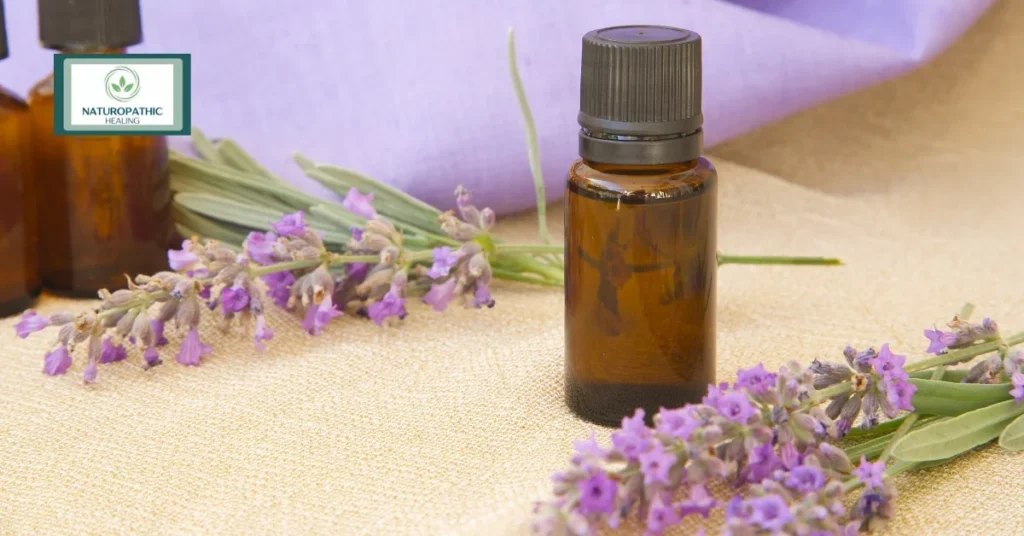
3. Lavender Oil
Lavender oil is not only known for its calming properties but also for its ability to repel mosquitoes.
- Effectiveness: Studies have shown that lavender oil can reduce mosquito attraction significantly.
- Application: It can be used in sprays, lotions, or diffused in the air.
4. Tea Tree Oil
Tea tree oil is renowned for its antiseptic properties, but it also serves as an effective mosquito repellent.
- Effectiveness: Research suggests that tea tree oil can repel mosquitoes for several hours.
- Application: It should be diluted with a carrier oil before applying to the skin.
5. Peppermint Oil
Peppermint oil is another essential oil that can deter mosquitoes due to its strong scent.
- Effectiveness: Studies have shown that peppermint oil can repel mosquitoes effectively.
- Application: It can be used in sprays or diffused in living spaces.
How to Use Essential Oils for Mosquito Repellent
Using essential oils as mosquito repellents can be both effective and enjoyable. Here are some methods to incorporate essential oils into your mosquito-repelling strategy:
1. DIY Mosquito Repellent Spray
Creating your own mosquito repellent spray is simple and allows you to customize the scent. Here’s a basic recipe:
- Ingredients:
- 10-15 drops of essential oil (e.g., citronella, lemon eucalyptus, or lavender)
- 2 tablespoons of carrier oil (e.g., coconut oil or jojoba oil)
- 2 tablespoons of witch hazel or apple cider vinegar
- 1 cup of water
- Instructions:
- Combine all ingredients in a spray bottle.
- Shake well before each use.
- Spray on exposed skin and clothing, avoiding the eyes and mouth.
2. Essential Oil Candles
Using candles infused with essential oils can create a pleasant atmosphere while keeping mosquitoes away. You can purchase pre-made candles or make your own by adding essential oils to melted wax.
3. Diffusers
Using an essential oil diffuser can help disperse the scent of mosquito-repelling oils throughout your home or outdoor space. This method is particularly effective for creating a barrier against mosquitoes in enclosed areas.
4. Topical Application
When applying essential oils directly to the skin, it’s crucial to dilute them with a carrier oil to prevent skin irritation. A common ratio is 1-2 drops of essential oil per teaspoon of carrier oil.
Safety Considerations
While essential oils are generally safe, there are some precautions to consider:
- Skin Sensitivity: Always perform a patch test before applying a new essential oil to your skin.
- Pregnancy and Children: Consult a healthcare professional before using essential oils if you are pregnant or using them on children.
- Quality Matters: Use high-quality, pure essential oils from reputable sources to ensure safety and effectiveness.
Case Studies and Research
Numerous studies have examined the effectiveness of essential oils as mosquito repellents. For instance, a study published in the Journal of Medical Entomology found that lemon eucalyptus oil provided similar protection to DEET, making it a viable alternative. Another study in the Journal of Vector Ecology highlighted the effectiveness of citronella oil in reducing mosquito landings on treated surfaces.
These studies underscore the potential of essential oils as effective mosquito repellents, particularly for those seeking natural alternatives.
Conclusion: Embracing Nature’s Repellents
As the world becomes increasingly aware of the potential health risks associated with chemical repellents, essential oils offer a natural and effective alternative for mosquito control. With a variety of options available, including citronella, lemon eucalyptus, lavender, tea tree, and peppermint oils, individuals can choose the scents they prefer while keeping mosquitoes at bay.
By understanding how to use these oils safely and effectively, you can enjoy the outdoors without the annoyance of mosquito bites. Whether through DIY sprays, candles, or diffusers, essential oils provide a holistic approach to pest control that aligns with a more natural lifestyle.
In summary, essential oils not only offer a pleasant aroma but also serve as powerful tools in the fight against mosquitoes. As you prepare for the warmer months, consider incorporating these natural repellents into your routine for a more enjoyable outdoor experience.
