
Poison ivy, a plant notorious for causing itchy rashes and discomfort, affects millions of people each year. The culprit behind this irritation is an oil called urushiol, found in the leaves, stems, and roots of the plant. While traditional treatments often involve over-the-counter creams and antihistamines, many individuals are turning to natural remedies, particularly essential oils, for relief. This article explores the effectiveness of essential oils for treating poison ivy rashes, their benefits, and how to use them safely.
Table of Contents
Understanding Poison Ivy and Its Effects
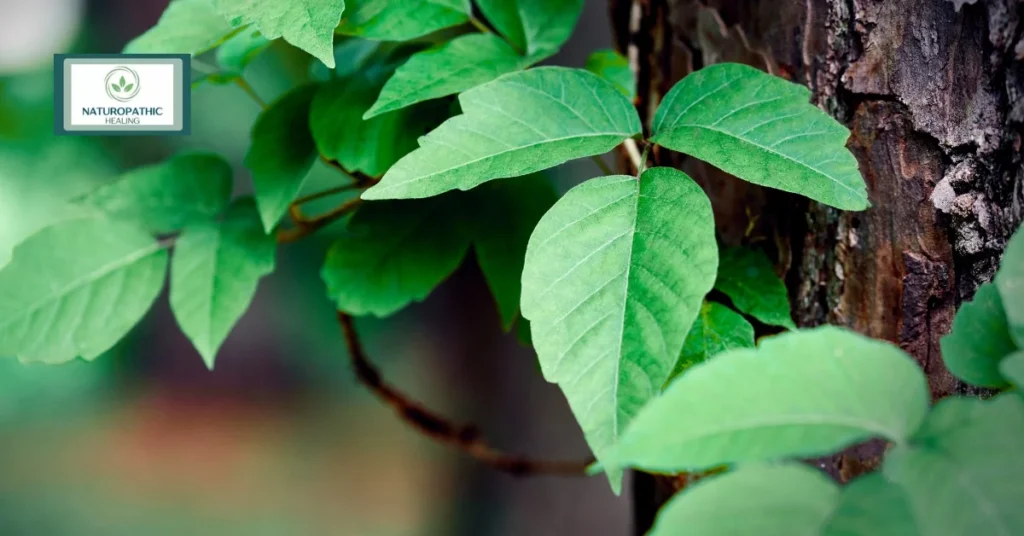
Poison ivy (Toxicodendron radicans) is a perennial plant that can grow as a vine, shrub, or ground cover. It is commonly found in wooded areas, fields, and along trails in North America. The plant’s leaves are typically grouped in threes, which is a key identifier for those looking to avoid it.
When a person comes into contact with urushiol, the immune system reacts, leading to symptoms such as:
- Itching
- Redness
- Swelling
- Bumps or blisters
These symptoms can appear within 12 to 72 hours after exposure and can last for several weeks. Understanding the nature of this reaction is crucial for effective treatment.
The Role of Essential Oils in Skin Care
Essential oils are concentrated plant extracts that capture the natural fragrance and beneficial properties of the plant. They have been used for centuries in traditional medicine for their therapeutic effects. Essential oils can be effective in treating various skin conditions due to their anti-inflammatory, antiseptic, and soothing properties.
Why Choose Essential Oils for Poison Ivy?
Using essential oils for poison ivy offers several advantages:
- Natural Ingredients: Essential oils are derived from plants, making them a more natural alternative to synthetic medications.
- Multi-faceted Benefits: Many essential oils possess anti-inflammatory, antimicrobial, and analgesic properties, addressing multiple symptoms simultaneously.
- Customizable Treatments: Essential oils can be blended to create personalized remedies tailored to individual needs.
Top Essential Oils for Poison Ivy Relief
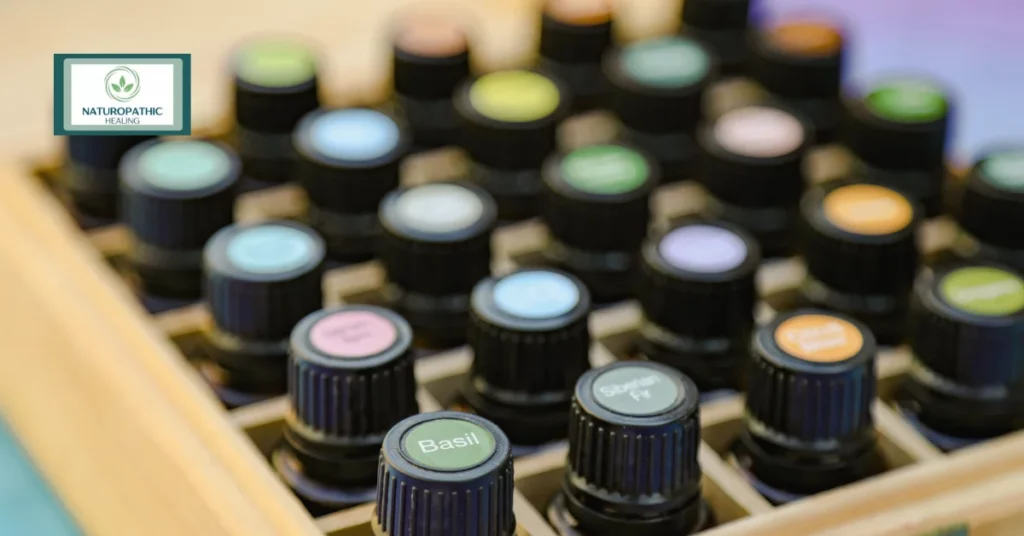
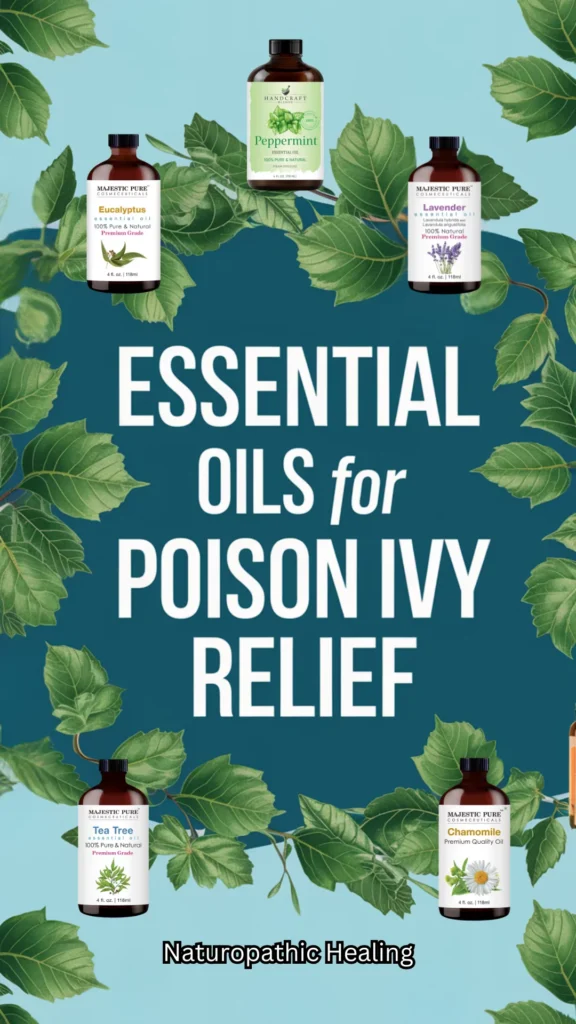
Several essential oils have shown promise in alleviating the symptoms of poison ivy. Here are some of the most effective options:
1. Lavender Essential Oil
Lavender oil is renowned for its calming and soothing properties. It can help reduce inflammation and promote healing of the skin.
- Benefits: Anti-inflammatory, antiseptic, and soothing.
- Usage: Dilute a few drops of lavender oil with a carrier oil (like coconut or jojoba oil) and apply it to the affected area.
2. Tea Tree Essential Oil
Tea tree oil is well-known for its antimicrobial properties, making it effective against infections that may arise from scratching the rash.
- Benefits: Antimicrobial, anti-inflammatory, and antiseptic.
- Usage: Mix tea tree oil with a carrier oil and apply it to the rash to help reduce inflammation and prevent infection.
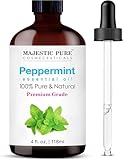
3. Peppermint Essential Oil
Peppermint oil has a cooling effect that can provide immediate relief from itching and discomfort.
- Benefits: Cooling sensation, anti-inflammatory.
- Usage: Dilute peppermint oil with a carrier oil and gently massage it onto the affected area.
4. Chamomile Essential Oil
Chamomile essential oil is known for its calming properties and can help soothe irritated skin.
- Benefits: Anti-inflammatory, soothing, and calming.
- Usage: Combine chamomile oil with a carrier oil and apply it to the rash to reduce redness and irritation.
5. Eucalyptus Essential Oil
Eucalyptus oil has anti-inflammatory and analgesic properties that can help alleviate pain and swelling associated with poison ivy rashes.
- Benefits: Anti-inflammatory, analgesic.
- Usage: Dilute eucalyptus oil with a carrier oil and apply it to the affected area for relief.




How to Use Essential Oils Safely
While essential oils can be beneficial, it is essential to use them safely to avoid adverse reactions. Here are some guidelines:
- Patch Test: Always perform a patch test before applying a new essential oil to a larger area of skin. Apply a small amount diluted with a carrier oil to a discreet area and wait 24 hours to check for any adverse reactions.
- Dilution: Essential oils should be diluted with a carrier oil (such as coconut, olive, or jojoba oil) before application to prevent skin irritation.
- Avoid Sensitive Areas: Do not apply essential oils to sensitive areas such as the eyes, mouth, or broken skin.
- Consult a Professional: If you are pregnant, nursing, or have underlying health conditions, consult a healthcare professional before using essential oils.
Case Studies and Research on Essential Oils
Several studies have explored the effectiveness of essential oils in treating skin conditions, including those caused by allergens like poison ivy. For instance:
- A study published in the Journal of Ethnopharmacology found that tea tree oil exhibited significant antimicrobial activity against various pathogens, suggesting its potential in preventing secondary infections from poison ivy rashes.
- Research in the International Journal of Aromatherapy highlighted the anti-inflammatory properties of lavender oil, which can help reduce swelling and redness associated with skin irritations.
These studies support the anecdotal evidence of essential oils’ effectiveness in treating poison ivy rashes and other skin irritations.
Additional Natural Remedies for Poison Ivy
In addition to essential oils, several other natural remedies can help alleviate the symptoms of poison ivy:
- Oatmeal Baths: Colloidal oatmeal can soothe itching and irritation. Add it to a lukewarm bath for relief.
- Aloe Vera: Known for its soothing properties, aloe vera gel can help cool the skin and promote healing.
- Cold Compresses: Applying a cold compress to the affected area can help reduce swelling and itching.
Preventing Poison Ivy Exposure
While essential oils can provide relief after exposure, prevention is the best strategy. Here are some tips to avoid poison ivy:
- Learn to identify poison ivy and avoid areas where it grows.
- Wear protective clothing, such as long sleeves and pants, when hiking or working outdoors.
- Wash your skin with soap and water immediately after potential exposure to remove urushiol.
- Keep pets clean, as they can carry urushiol on their fur.
Conclusion
Essential oils offer a natural and effective approach to managing the discomfort associated with poison ivy rashes. With their anti-inflammatory, antimicrobial, and soothing properties, oils like lavender, tea tree, peppermint, chamomile, and eucalyptus can provide significant relief. However, it is crucial to use them safely and in conjunction with other preventive measures to avoid exposure in the first place.
As more people seek natural alternatives to traditional medicine, essential oils stand out as a promising option for treating poison ivy. By understanding their benefits and proper usage, individuals can empower themselves to manage this common skin irritant effectively.
In summary, whether you are dealing with an existing rash or looking to prevent future encounters with poison ivy, essential oils can be a valuable addition to your natural remedy toolkit.
