
Wasp stings can be painful and, in some cases, lead to severe allergic reactions. While traditional treatments often involve over-the-counter medications, many people are turning to natural remedies, particularly essential oils, for relief. This article explores the effectiveness of essential oils for treating wasp stings, the science behind their properties, and practical applications for those seeking alternative solutions.
Table of Contents
Understanding Wasp Stings
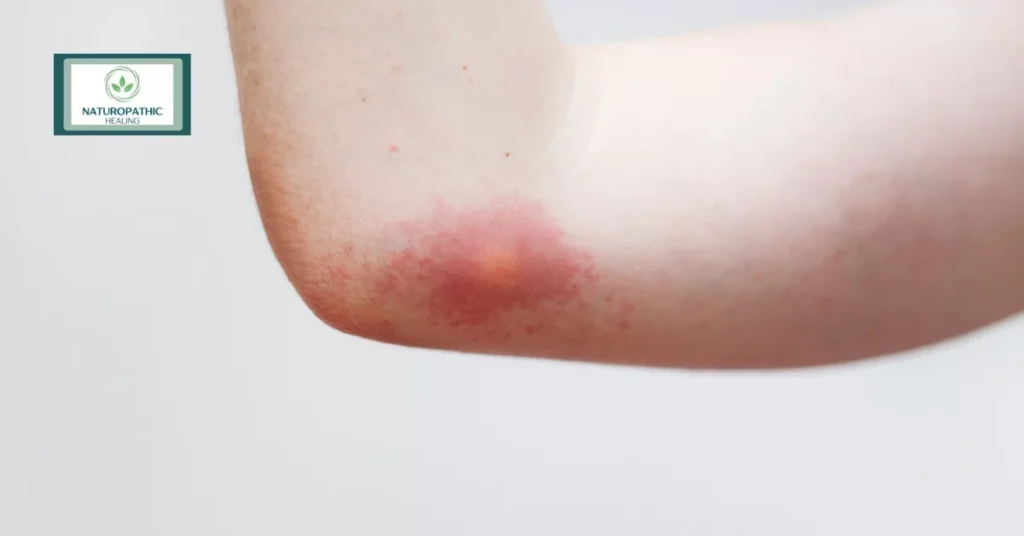
Wasp stings occur when a wasp injects venom into the skin using its stinger. This venom contains a mix of toxins that can cause pain, swelling, and allergic reactions. The severity of the reaction can vary based on individual sensitivity and the amount of venom injected.
Common Symptoms of Wasp Stings
After a wasp sting, individuals may experience a range of symptoms, including:
- Immediate sharp pain at the sting site
- Redness and swelling
- Itching and irritation
- In severe cases, anaphylaxis, which can include difficulty breathing, swelling of the throat, and rapid pulse
The Role of Essential Oils in Pain Relief
Essential oils are concentrated plant extracts that capture the natural fragrance and beneficial properties of the plant. They have been used for centuries in traditional medicine for their therapeutic effects. When it comes to wasp stings, certain essential oils can provide relief from pain and inflammation.
How Essential Oils Work
Essential oils contain various compounds that can help alleviate pain and reduce inflammation. Some of the mechanisms through which they work include:
- Anti-inflammatory properties: Many essential oils can reduce inflammation, which is a common response to wasp venom.
- Analgesic effects: Certain oils can act as natural pain relievers, helping to numb the area around the sting.
- Antimicrobial action: Essential oils can help prevent infection at the sting site due to their antibacterial properties.
Top Essential Oils for Wasp Stings
Several essential oils have been identified as particularly effective for treating wasp stings. Here are some of the most notable:
1. Lavender Essential Oil
Lavender oil is renowned for its calming properties and is often used to relieve pain and reduce inflammation. Its antiseptic qualities can also help prevent infection.
Application:
- Mix a few drops of lavender oil with a carrier oil (like coconut or olive oil).
- Apply the mixture directly to the sting site.
2. Tea Tree Essential Oil
Tea tree oil is well-known for its antimicrobial properties. It can help reduce swelling and prevent infection, making it an excellent choice for treating wasp stings.
Application:
- Dilute tea tree oil with a carrier oil.
- Apply it to the affected area using a cotton ball.
3. Peppermint Essential Oil
Peppermint oil has a cooling effect that can provide immediate relief from pain and itching. Its analgesic properties make it a popular choice for various types of pain relief.
Application:
- Mix peppermint oil with a carrier oil.
- Gently massage the mixture onto the sting site.
4. Eucalyptus Essential Oil
Eucalyptus oil is known for its anti-inflammatory and analgesic properties. It can help soothe the skin and reduce swelling.
Application:
- Combine eucalyptus oil with a carrier oil.
- Apply it to the sting area for relief.
5. Chamomile Essential Oil
Chamomile oil is often used for its calming effects and can help reduce inflammation and pain associated with wasp stings.
Application:
- Mix chamomile oil with a carrier oil.
- Apply it to the affected area to soothe irritation.
Safety Precautions When Using Essential Oils
While essential oils can be effective for treating wasp stings, it is essential to use them safely. Here are some precautions to consider:
- Patch Test: Always perform a patch test before applying a new essential oil to your skin to check for allergic reactions.
- Dilution: Essential oils should be diluted with a carrier oil to prevent skin irritation.
- Consult a Professional: If you have a history of allergies or severe reactions, consult a healthcare professional before using essential oils.
- Avoid Sensitive Areas: Do not apply essential oils to broken skin or near the eyes and mucous membranes.
Case Studies and Research on Essential Oils
Research on the effectiveness of essential oils for treating insect stings is limited, but several studies highlight their potential benefits:
1. Lavender Oil and Pain Relief
A study published in the journal Evidence-Based Complementary and Alternative Medicine found that lavender oil significantly reduced pain and inflammation in animal models. The study suggests that lavender oil could be beneficial for treating various types of pain, including that from insect stings.
2. Tea Tree Oil’s Antimicrobial Properties
Research in the Journal of Antimicrobial Chemotherapy demonstrated that tea tree oil has potent antimicrobial properties, making it effective in preventing infections at the site of wounds and stings.
3. Peppermint Oil’s Cooling Effect
A study published in the International Journal of Clinical and Experimental Medicine highlighted peppermint oil’s ability to provide a cooling sensation and relieve pain, supporting its use for wasp stings.
Combining Essential Oils with Other Remedies
For enhanced relief from wasp stings, essential oils can be combined with other natural remedies. Here are some effective combinations:
- Aloe Vera: Known for its soothing properties, aloe vera gel can be applied after essential oils to further reduce inflammation and promote healing.
- Baking Soda Paste: A paste made from baking soda and water can help neutralize the venom and reduce itching when applied before essential oils.
- Cold Compress: Applying a cold compress after using essential oils can help numb the area and reduce swelling.
Conclusion: Embracing Natural Remedies for Wasp Stings
Wasp stings can be painful and distressing, but essential oils offer a natural alternative for relief. With their anti-inflammatory, analgesic, and antimicrobial properties, oils like lavender, tea tree, peppermint, eucalyptus, and chamomile can effectively alleviate pain and promote healing. However, it is crucial to use these oils safely and consult a healthcare professional if you have concerns about allergies or severe reactions.
As more people seek natural remedies for common ailments, essential oils are gaining recognition for their therapeutic benefits. By understanding how to use these oils effectively, individuals can empower themselves to manage wasp stings and other minor injuries with confidence and care.
In summary, essential oils provide a holistic approach to treating wasp stings, combining the wisdom of traditional remedies with modern understanding of their properties. Whether you are an outdoor enthusiast or simply looking for effective home remedies, essential oils can be a valuable addition to your first aid toolkit.
