

If you’ve been struggling with chronic inflammation, you’re not alone. I’ve been there too, searching for natural ways to feel better. That’s why I’ve put together this comprehensive anti-inflammatory food list that has helped me and countless others reduce inflammation naturally. Whether you’re dealing with arthritis, digestive issues, or just want to boost your overall health, these foods can make a real difference in how you feel every day.
Don’t miss out! At the end of this post, you’ll find a free downloadable PDF of the complete anti-inflammatory food list—no sign-up required!
Table of Contents
Understanding Inflammation: The Good, The Bad, and The Chronic
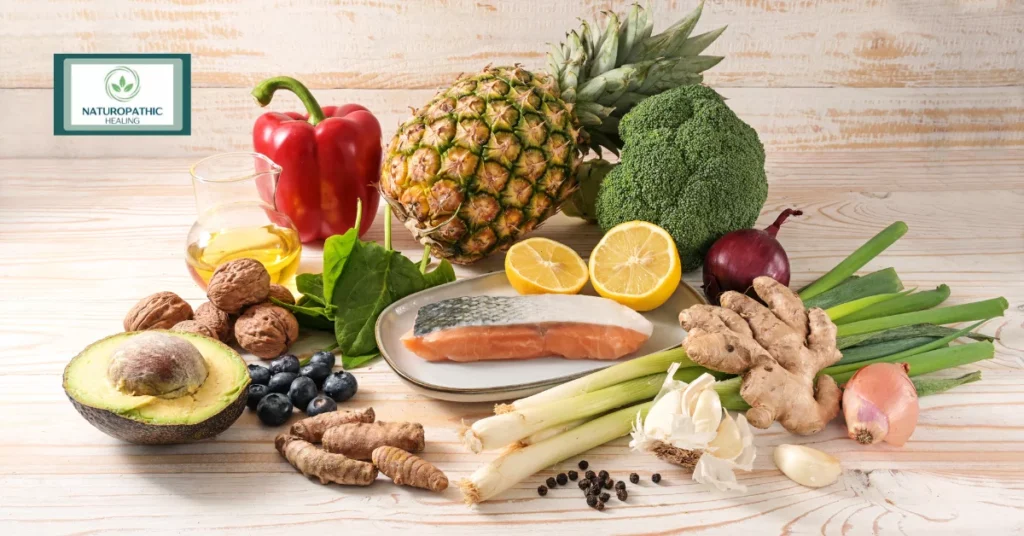
Before diving into our anti-inflammatory food list, let’s understand what we’re dealing with. Not all inflammation is bad – it’s actually your body’s natural response to injury or infection. Think about the redness and swelling that happens when you cut your finger – that’s acute inflammation working to protect you.
The problem comes with chronic inflammation – when your body’s defense system stays on high alert long after the threat is gone. This type of inflammation has been linked to serious health conditions like heart disease, diabetes, and autoimmune disorders.
The good news? What you eat can have a powerful effect on your body’s inflammatory response. By incorporating the foods from this anti-inflammatory food list into your daily meals, you can help your body fight inflammation naturally.
Colorful Fruits: Nature’s Anti-inflammatory Candy
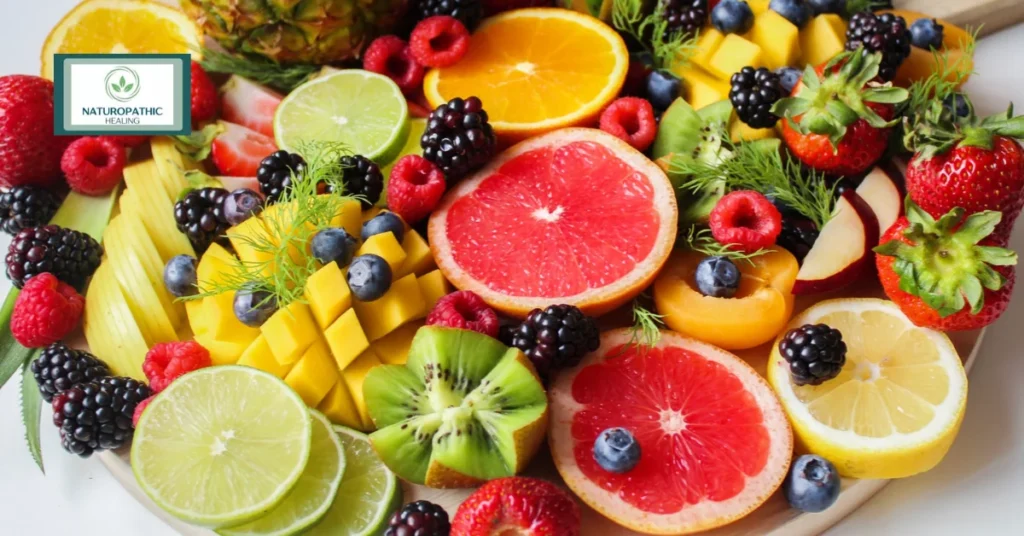
Fruits aren’t just delicious – they’re packed with antioxidants that combat inflammation. Here’s which ones to add to your shopping cart:
Berries
Berries top our anti-inflammatory food list for good reason. These tiny powerhouses are loaded with anthocyanins, which give them their vibrant colors and powerful anti-inflammatory properties.
- Blueberries: My personal favorite, these little blue gems have been shown to increase anti-inflammatory compounds in your body.
- Strawberries: Rich in vitamin C and antioxidants that help fight inflammation.
- Raspberries: Packed with polyphenols that reduce inflammatory markers.
- Blackberries: Contain high levels of anthocyanins that combat oxidative stress.
Citrus Fruits
Citrus fruits deserve a special spot on our anti-inflammatory food list thanks to their high vitamin C content:
- Oranges: The vitamin C in oranges doesn’t just boost your immune system – it also fights inflammation.
- Lemons: Start your day with warm lemon water to get a dose of anti-inflammatory compounds.
- Grapefruits: Contains naringenin, which has been shown to reduce inflammation.
Other Inflammation-Fighting Fruits
Don’t forget these other fruits that deserve a place on your anti-inflammatory food list:
- Cherries: Especially tart cherries, which can reduce inflammation as effectively as some medications.
- Pineapple: Contains bromelain, an enzyme with powerful anti-inflammatory effects.
- Avocados: Technically a fruit, avocados are rich in healthy fats that fight inflammation.
Vibrant Vegetables: Your Anti-inflammatory Arsenal
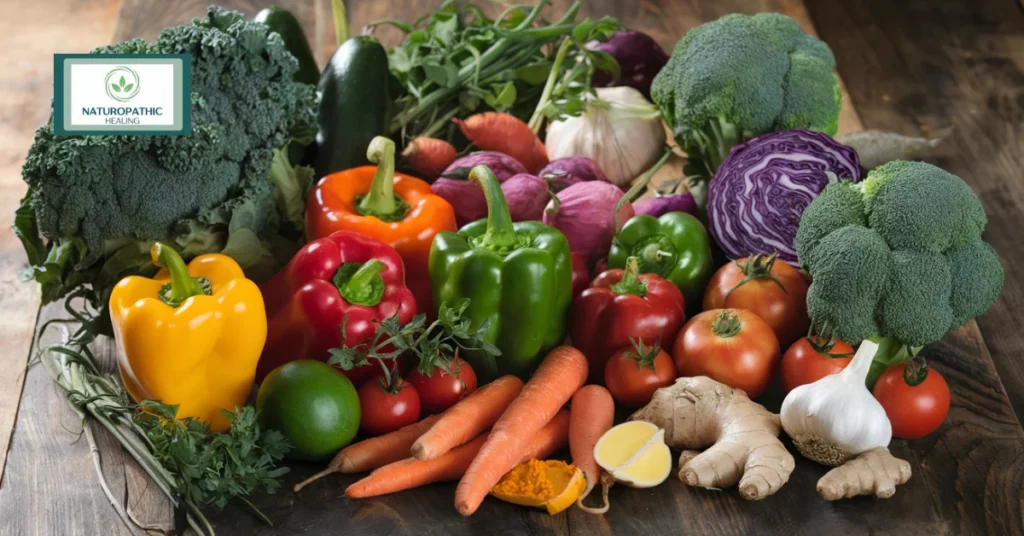
Vegetables form the foundation of any good anti-inflammatory food list. They’re low in calories but packed with nutrients that help your body fight inflammation:
Leafy Greens
Dark leafy greens contain powerful antioxidants that make them a must on your anti-inflammatory food list:
- Spinach: Rich in lutein, which reduces inflammatory markers.
- Kale: A nutritional powerhouse with numerous anti-inflammatory compounds.
- Collard Greens: High in vitamin K, which helps regulate inflammatory responses.
- Swiss Chard: Contains betalains, phytonutrients with anti-inflammatory properties.
Cruciferous Vegetables
These vegetables contain compounds called glucosinolates that make them essential additions to your anti-inflammatory food list:
- Broccoli: Contains sulforaphane, which blocks enzymes linked to inflammation.
- Cauliflower: Provides antioxidants that reduce oxidative stress.
- Brussels Sprouts: Rich in anti-inflammatory compounds and fiber.
- Cabbage: Contains anthocyanins and other anti-inflammatory substances.
Colorful Vegetables
The more colors on your plate, the more anti-inflammatory benefits you’ll get:
- Bell Peppers: Particularly red ones, which contain quercetin, a natural anti-inflammatory compound.
- Tomatoes: Rich in lycopene, which reduces inflammation in the body.
- Beets: Contain betalains, which have been shown to reduce inflammation.
- Sweet Potatoes: The high levels of vitamin A and C fight inflammation.
- Carrots: Beta-carotene rich veggies that support your body’s anti-inflammatory efforts.
Powerful Proteins: Building Blocks for An Anti-inflammatory Diet
Protein is essential for healing, but not all protein sources are equal when it comes to inflammation:
Fatty Fish
Fatty fish sits at the top of many anti-inflammatory food lists due to its omega-3 content:
- Salmon: One of the best sources of anti-inflammatory omega-3 fatty acids.
- Mackerel: Contains high levels of EPA and DHA, powerful anti-inflammatory agents.
- Sardines: Small but mighty when it comes to fighting inflammation.
- Tuna: Choose wild-caught for the best anti-inflammatory benefits.
Plant-Based Proteins
Plant proteins offer anti-inflammatory benefits without the saturated fat:
- Legumes: Beans, lentils, and peas contain antioxidants and anti-inflammatory compounds.
- Tofu and Tempeh: Soy products contain isoflavones that help reduce inflammation.
- Quinoa: A complete protein that’s also rich in anti-inflammatory compounds.
- Nuts: Particularly walnuts and almonds, which contain healthy fats that fight inflammation.
Healthy Fats: Not All Fats Are Created Equal
When creating your anti-inflammatory food list, it’s important to include sources of healthy fats:
- Extra Virgin Olive Oil: Contains oleocanthal, which has similar anti-inflammatory effects to ibuprofen.
- Avocado Oil: Rich in monounsaturated fats that reduce inflammation.
- Flaxseed Oil: A plant source of omega-3 fatty acids.
- Coconut Oil: Contains medium-chain fatty acids with anti-inflammatory properties.
Powerful Spices and Herbs: Small but Mighty Anti-inflammatory Agents
Some of the most potent anti-inflammatory substances come in small packages:
- Turmeric: Contains curcumin, one of nature’s most powerful anti-inflammatory compounds.
- Ginger: Has been used for centuries to reduce inflammation and pain.
- Cinnamon: Contains cinnamaldehyde, which helps fight inflammation.
- Rosemary: Rich in rosmarinic acid, which has anti-inflammatory effects.
- Oregano: Contains carvacrol, a powerful anti-inflammatory compound.
- Black Pepper: Not just a flavor enhancer – it also contains piperine, which fights inflammation.
Wholesome Grains: The Right Carbs for Fighting Inflammation
Not all carbs cause inflammation. These whole grains deserve a spot on your anti-inflammatory food list:
- Brown Rice: Contains beneficial compounds that reduce inflammation markers.
- Oats: Rich in avenanthramides, anti-inflammatory compounds only found in oats.
- Quinoa: Technically a seed, but used like a grain, with powerful anti-inflammatory properties.
- Buckwheat: Contains rutin, which has been shown to have anti-inflammatory effects.
- Barley: Rich in beta-glucans that boost immune function and fight inflammation.
Nuts and Seeds: Small Packages with Big Anti-inflammatory Benefits
A handful of nuts or seeds can provide significant anti-inflammatory benefits:
- Walnuts: Their omega-3 content makes them one of the best nuts for fighting inflammation.
- Almonds: Rich in vitamin E and monounsaturated fats that combat inflammation.
- Chia Seeds: Small but mighty sources of anti-inflammatory omega-3s.
- Flaxseeds: Must be ground to release their anti-inflammatory compounds.
- Hemp Seeds: Provide a perfect balance of omega-3 and omega-6 fatty acids.
- Pumpkin Seeds: Rich in magnesium, which helps reduce inflammation.
Beverages: What You Drink Matters Too
Don’t forget to include these drinks in your anti-inflammatory food list:
- Green Tea: Contains EGCG, a catechin with potent anti-inflammatory properties.
- Turmeric Tea (Golden Milk): A delicious way to consume anti-inflammatory turmeric.
- Tart Cherry Juice: Studies show it can reduce inflammation and even improve sleep.
- Pineapple Juice: Contains bromelain, which reduces inflammatory markers.
- Red Wine: In moderation, the resveratrol in red wine has anti-inflammatory effects.
Foods to Avoid: What’s Not on the Anti-inflammatory Food List
Just as important as knowing what to eat is knowing what to avoid:
- Processed Foods: Contain artificial ingredients that can trigger inflammation.
- Refined Carbohydrates: White bread, pastries, and other refined carbs spike blood sugar and inflammation.
- Fried Foods: The process of frying creates compounds that promote inflammation.
- Processed Meats: Hot dogs, bacon, and deli meats contain compounds linked to inflammation.
- Excessive Alcohol: While a little red wine may help, too much alcohol promotes inflammation.
- Sugar: Perhaps the biggest inflammatory culprit in the modern diet.
- Artificial Trans Fats: Found in many processed foods and strongly inflammatory.
Building Your Anti-inflammatory Meal Plan
Now that you have your anti-inflammatory food list, here’s how to put it into action:
Breakfast Ideas
- Berry and walnut oatmeal with a sprinkle of cinnamon
- Turmeric smoothie with pineapple and ginger
- Avocado toast on whole grain bread with a squeeze of lemon
- Greek yogurt with berries and hemp seeds
Lunch Ideas
- Salmon salad with leafy greens, bell peppers, and olive oil dressing
- Quinoa bowl with roasted vegetables and a sprinkle of herbs
- Lentil soup with turmeric and ginger
- Brown rice and bean burrito bowl with avocado
Dinner Ideas
- Baked salmon with roasted broccoli and sweet potatoes
- Turmeric-ginger chicken soup
- Mediterranean vegetable stew with a side of buckwheat
- Stir-fry with tofu, colorful vegetables, and brown rice
Snack Ideas
- A handful of walnuts or almonds
- Apple slices with almond butter
- Greek yogurt with berries
- Carrot sticks with hummus
- A piece of dark chocolate (70% cocoa or higher)
The Anti-inflammatory Lifestyle: Beyond the Food List
While this anti-inflammatory food list is a powerful tool, remember that fighting inflammation is about your overall lifestyle:
- Regular Exercise: Moderate, regular physical activity reduces inflammatory markers.
- Adequate Sleep: Poor sleep increases inflammation, so aim for 7-9 hours.
- Stress Management: Chronic stress promotes inflammation, so incorporate stress-reduction practices like meditation or yoga.
- Hydration: Drinking plenty of water helps your body flush out inflammatory toxins.
For more information check out our post: The Complete Guide to an Anti-Inflammatory Diet
Frequently Asked Questions About Anti-inflammatory Foods
While there’s no single “best” food, turmeric is often considered the most powerful natural anti-inflammatory due to its high curcumin content. For best absorption, combine it with black pepper and a healthy fat.
Most people report feeling some benefits within 2-4 weeks of consistently following an anti-inflammatory food list. However, the full benefits may take several months to develop as your body heals.
Always consult with your healthcare provider before making changes to prescribed medications. While anti-inflammatory foods can be powerful, they typically work best as a complement to medical treatment, not a replacement.
Aim to include at least 5-7 servings of fruits and vegetables from this anti-inflammatory food list daily, along with 2-3 servings of fatty fish weekly, and daily portions of healthy fats, whole grains, herbs, and spices.
While most plant foods have some anti-inflammatory benefits, those listed in this anti-inflammatory food list have been specifically studied and shown to have stronger anti-inflammatory properties.
Share the Healing Power of Anti-inflammatory Foods
If you’ve found this anti-inflammatory food list helpful, why not share it with others who might benefit? Save this article to your “Healthy Eating” or “Natural Remedies” Pinterest board and share it with friends and family who are looking to reduce inflammation naturally. Together, we can spread the word about how powerful food can be as medicine!

Download Your Free Anti-Inflammatory Food List (No Sign-Up Required!)
Recommended Readings
- 10 Delicious Anti-Inflammation Breakfast Recipes to Start Your Day
- High-Protein Anti-Inflammatory Recipes
- 10 Anti-Inflammation Diet Recipes for Beginners
- 10 Anti-Inflammatory Vegan Recipes to Boost Your Health
- 10 Anti-Inflammatory Smoothie Recipes to Boost Your Health
- 5 Powerful Anti-Inflammatory Soup Recipes to Heal Your Body
