

Living with chronic inflammation can feel like an ongoing battle. Whether you’re dealing with joint pain, digestive issues, or simply looking to improve your overall health, an anti-inflammatory diet could be the key to finding relief. I’ve spent years researching and implementing these dietary principles, and I’m excited to share everything you need to know to get started on your own anti-inflammatory journey.
Table of Contents
What Is an Anti-Inflammatory Diet?
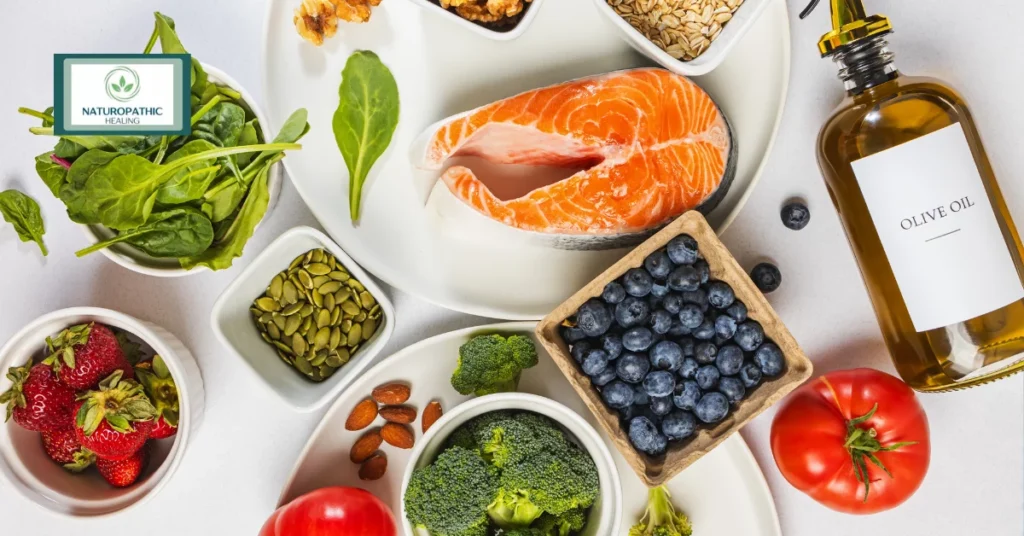
An anti-inflammatory diet isn’t a specific meal plan but rather an approach to eating that focuses on foods known to reduce inflammatory responses in the body while avoiding those that trigger inflammation. Unlike trendy diets that come and go, this eating pattern is backed by substantial scientific research and aligns with traditional eating habits from regions known for longevity and good health.
At its core, an anti-inflammatory diet emphasizes whole, nutrient-dense foods including colorful fruits and vegetables, healthy fats, lean proteins, and specific herbs and spices that have demonstrated anti-inflammatory properties. It also involves limiting or avoiding processed foods, refined carbohydrates, and known inflammatory triggers.
The Science Behind Inflammation and Diet
Before diving into specific foods, it’s important to understand what inflammation actually is and how our diet affects it.
Inflammation itself isn’t inherently bad—it’s actually a natural immune response that helps protect our bodies from injury and infection. When you cut your finger or catch a cold, acute inflammation helps your body heal and fight off pathogens.
The problem arises with chronic, low-grade inflammation that persists over time. This type of inflammation has been linked to numerous health conditions including:
- Heart disease
- Type 2 diabetes
- Arthritis
- Inflammatory bowel disease
- Certain cancers
- Autoimmune conditions
- Alzheimer’s disease
What we eat plays a crucial role in either fueling or fighting this harmful chronic inflammation. Certain foods contain compounds that trigger inflammatory responses, while others contain anti-inflammatory compounds that help reduce inflammation.
Foods to Embrace on an Anti-Inflammatory Diet
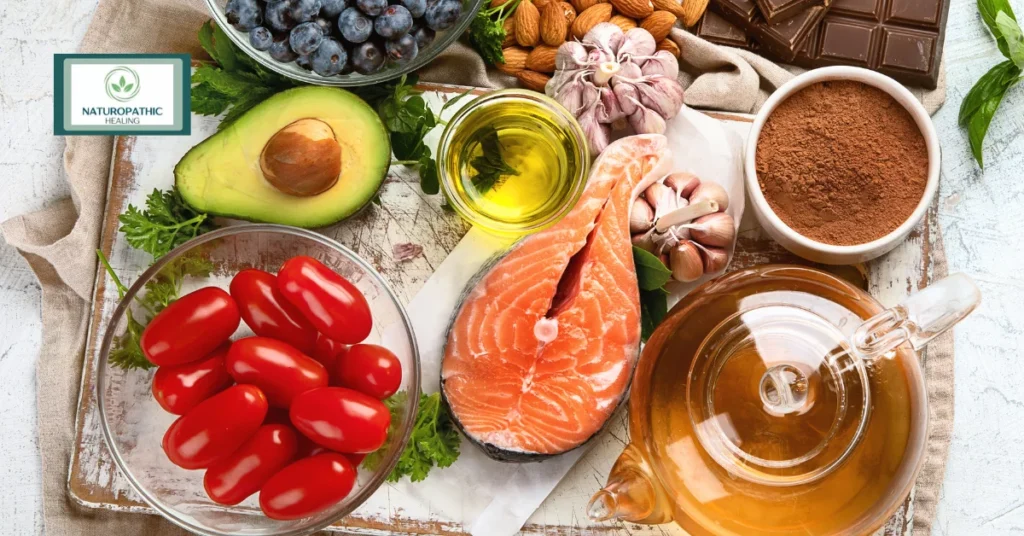
The foundation of an anti-inflammatory diet involves incorporating plenty of foods that naturally combat inflammation. Here are the key food groups to embrace:
1. Colorful Fruits and Vegetables
Fruits and vegetables are powerhouses of antioxidants and polyphenols that help neutralize free radicals and reduce inflammation. Aim to include a variety of colors on your plate, as different colored produce offers different beneficial compounds:
- Dark leafy greens like spinach, kale, and collard greens
- Berries (blueberries, strawberries, blackberries)
- Cherries and tart cherry juice
- Oranges, grapefruits, and other citrus fruits
- Tomatoes
- Bell peppers
- Beets
- Cruciferous vegetables like broccoli, cauliflower, and Brussels sprouts
I’ve found that aiming for at least 5-7 servings of produce daily can make a significant difference in how I feel.
2. Healthy Fats
Not all fats are created equal. Omega-3 fatty acids have powerful anti-inflammatory effects, while certain omega-6 fatty acids can promote inflammation when consumed in excess:
- Fatty fish like salmon, mackerel, sardines, and anchovies
- Extra virgin olive oil
- Avocados and avocado oil
- Nuts (especially walnuts)
- Seeds (flaxseeds, chia seeds, hemp seeds)
Try incorporating at least 2-3 servings of these healthy fats daily, with fatty fish at least twice weekly.
3. Nuts and Seeds
Beyond providing healthy fats, nuts and seeds offer additional anti-inflammatory benefits through their vitamin, mineral, and fiber content:
- Almonds
- Walnuts
- Brazil nuts
- Flaxseeds
- Chia seeds
- Pumpkin seeds
- Sunflower seeds
A small handful (about 1 ounce) of nuts or seeds makes for a perfect anti-inflammatory snack.
4. Whole Grains
Despite some popular diets vilifying grains, whole unprocessed grains can actually be part of an anti-inflammatory eating pattern:
- Oats
- Brown rice
- Quinoa
- Barley
- Buckwheat
- Amaranth
The key is choosing intact whole grains rather than refined grain products.
5. Herbs and Spices
Some of the most potent anti-inflammatory substances come from herbs and spices, which have been used medicinally across cultures for centuries:
- Turmeric (especially curcumin, its active component)
- Ginger
- Cinnamon
- Garlic
- Rosemary
- Cloves
- Black pepper (piperine in black pepper enhances curcumin absorption)
I try to use these herbs and spices liberally in my cooking—they add tremendous flavor while fighting inflammation.
6. Legumes
Beans, lentils, and other legumes provide a perfect combination of protein, fiber, and anti-inflammatory compounds:
- Black beans
- Chickpeas
- Lentils
- Pinto beans
- Navy beans
Aim for 3-4 servings weekly to enjoy their benefits.
7. Tea
Both green and black teas contain catechins and other flavonoids with anti-inflammatory properties:
- Green tea
- White tea
- Oolong tea
- Herbal teas (especially those containing ginger, turmeric, or chamomile)
Try replacing one coffee with tea daily or enjoying a cup in the afternoon.
Foods to Limit or Avoid
Just as important as what you include is what you minimize or avoid on an anti-inflammatory diet:
1. Refined Carbohydrates and Added Sugars
These foods cause rapid spikes in blood sugar, triggering inflammatory responses:
- White bread, pastries, cookies
- Candy and sugary beverages
- White pasta and white rice
- Products with added sugars
2. Processed Meats
These contain compounds that can increase inflammation:
- Hot dogs
- Bacon
- Salami
- Sausages
- Deli meats
3. Certain Oils
Some oils are high in omega-6 fatty acids, which can promote inflammation when consumed in excess:
- Corn oil
- Safflower oil
- Sunflower oil (in large amounts)
- Soybean oil
- Cottonseed oil
4. Trans Fats
Artificial trans fats are strongly linked to inflammation:
- Margarine
- Shortening
- Fried foods
- Many packaged baked goods
5. Alcohol
Excessive alcohol consumption can trigger inflammatory processes in the body, especially in the gut and liver. While moderate consumption of certain alcohols like red wine may have some benefits, it’s best to limit intake overall.
Check out our post Anti-Inflammatory Food List: Your Guide to Fighting Inflammation Naturally, which includes a printable PDF
Sample Anti-Inflammatory Meal Plan
To help you visualize how this all comes together, here’s a sample day on an anti-inflammatory diet:
Breakfast
- Overnight oats with berries, ground flaxseed, cinnamon, and a dollop of Greek yogurt
- Green tea
Lunch
- Large salad with dark leafy greens, cherry tomatoes, bell peppers, avocado, chickpeas, olive oil, and lemon dressing
- Small piece of wild-caught salmon
- Turmeric chicken soup
Snack
- Apple slices with almond butter
- Small handful of walnuts
Dinner
- Turmeric-ginger stir-fry with broccoli, bell peppers, onions, garlic, and tofu or chicken
- Brown rice or quinoa
- Side of steamed greens with olive oil and lemon
Evening
- Turmeric golden milk (warm plant milk with turmeric, cinnamon, ginger, and a touch of honey)
Benefits Beyond Inflammation Reduction
Following an anti-inflammatory diet offers benefits that extend far beyond simply reducing inflammation:
Improved Digestive Health
Many anti-inflammatory foods are rich in fiber and beneficial plant compounds that support a healthy gut microbiome. Since gut health is closely linked to inflammation levels throughout the body, these improvements create a positive cycle.
Enhanced Heart Health
The same dietary patterns that reduce inflammation also support cardiovascular health by improving cholesterol levels, reducing blood pressure, and protecting against oxidative damage to blood vessels.
Better Brain Function
Chronic inflammation has been linked to cognitive decline and neurodegenerative diseases. The antioxidants and omega-3 fatty acids abundant in an anti-inflammatory diet help protect brain cells and may improve cognitive function.
Weight Management
Many inflammatory foods are also calorie-dense and nutrient-poor. By focusing on nutrient-dense whole foods, an anti-inflammatory approach naturally supports healthy weight management, which further reduces inflammation in a positive feedback loop.
Increased Energy
Reducing inflammation allows your body to function more efficiently. Many people report significant improvements in energy levels after adopting an anti-inflammatory diet.
How to Transition to an Anti-Inflammatory Diet
The thought of completely overhauling your diet can feel overwhelming. Here’s how I recommend easing into these changes:
Start Small
Rather than changing everything at once, begin by adding one anti-inflammatory food to each meal. Perhaps add berries to your breakfast, incorporate a leafy green salad at lunch, or try cooking with turmeric and ginger.
Crowd Out Rather Than Cut Out
Instead of focusing on what you’re eliminating, concentrate on adding more anti-inflammatory foods. As you fill your plate with these beneficial options, you’ll naturally have less room for inflammatory choices.
Prepare Home-Cooked Meals
Cooking at home gives you complete control over ingredients. Even simple meals prepared with fresh, whole foods will be more anti-inflammatory than most restaurant or packaged options.
Read Labels
When purchasing packaged foods, check ingredient lists for added sugars, refined oils, and other inflammatory ingredients.
Stay Hydrated
Proper hydration supports all bodily functions, including those that reduce inflammation. Aim for at least 8 glasses of water daily, and consider adding anti-inflammatory ingredients like lemon, cucumber, or ginger.

Common Questions About the Anti-Inflammatory Diet
Yes, most people can benefit from an anti-inflammatory diet. However, individuals with specific medical conditions or dietary needs should consult with a healthcare provider before making significant changes.
Some people report improvements in symptoms like joint pain and digestive issues within days, while others may take several weeks to notice significant changes. Consistency is key.
No—the goal isn’t perfection but overall balance. Following the 80/20 rule (choosing anti-inflammatory foods 80% of the time) allows flexibility while still providing benefits.
While some items like wild-caught fish can be pricey, many staples of the anti-inflammatory diet (beans, seasonal vegetables, whole grains) are quite affordable. Buying in bulk, shopping seasonally, and preparing foods from scratch can help manage costs.
Yes, the principles of an anti-inflammatory diet are suitable for children, though their caloric and nutritional needs differ from adults. Focus on introducing a variety of colorful whole foods while still allowing age-appropriate flexibility.
The Bottom Line
An anti-inflammatory diet is less about strict rules and more about embracing a pattern of eating that naturally reduces inflammation through whole, nutrient-dense foods. By gradually incorporating more anti-inflammatory choices and reducing inflammatory ones, you can significantly impact your health and wellbeing.
Remember that other lifestyle factors also play crucial roles in managing inflammation. Regular physical activity, adequate sleep, stress management, and avoiding smoking all complement the benefits of an anti-inflammatory eating pattern.
The beauty of this approach is its flexibility—you can adapt it to different cultural preferences, dietary restrictions, and personal tastes while still maintaining its core inflammation-fighting principles.
If you’ve found this guide helpful, why not save this pin to your health or nutrition Pinterest board? Sharing this information with friends and family could help someone who’s struggling with inflammatory issues find a natural path toward relief.
Recommended Readings
- 10 Delicious Anti-Inflammation Breakfast Recipes to Start Your Day
- High-Protein Anti-Inflammatory Recipes
- 10 Anti-Inflammation Diet Recipes for Beginners
- 10 Anti-Inflammatory Vegan Recipes to Boost Your Health
- 10 Anti-Inflammatory Smoothie Recipes to Boost Your Health
- 5 Powerful Anti-Inflammatory Soup Recipes to Heal Your Body
