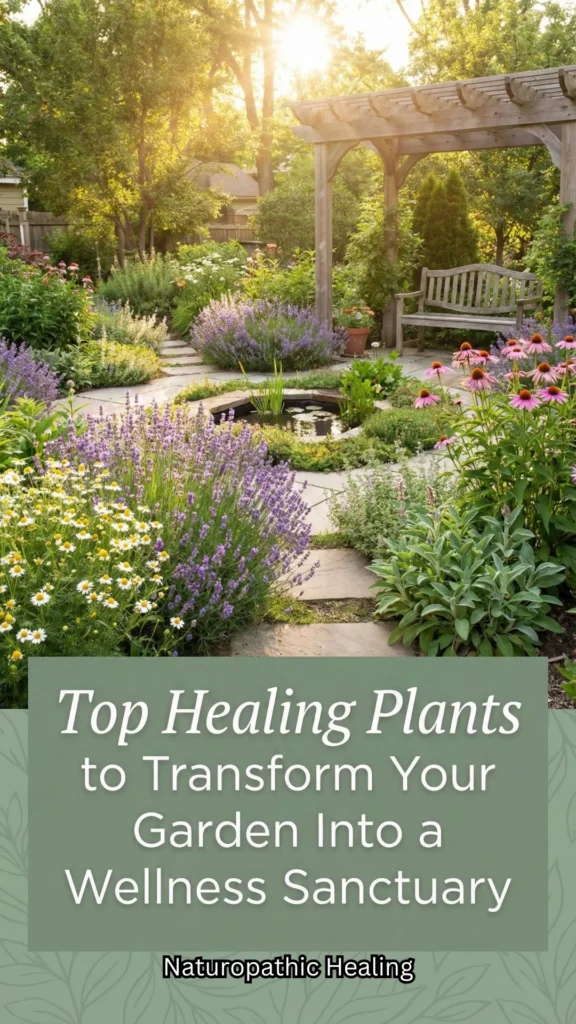

Creating a healing garden is one of the most beautiful ways to invite nature’s calming energy into your everyday life. Whether you have a small balcony, a corner of your backyard, or just a sunny windowsill, the best plants for a healing garden offer more than visual beauty—they support emotional balance, ease anxiety, and help restore a sense of inner peace. Healing garden plants work through gentle sensory experiences: soft textures, soothing scents, vibrant colors, and the simple act of tending to something alive. These therapeutic plants invite you to slow down, breathe deeply, and reconnect with the natural rhythms that support well-being.
Table of Contents
Why Healing Gardens Support Emotional Well-Being
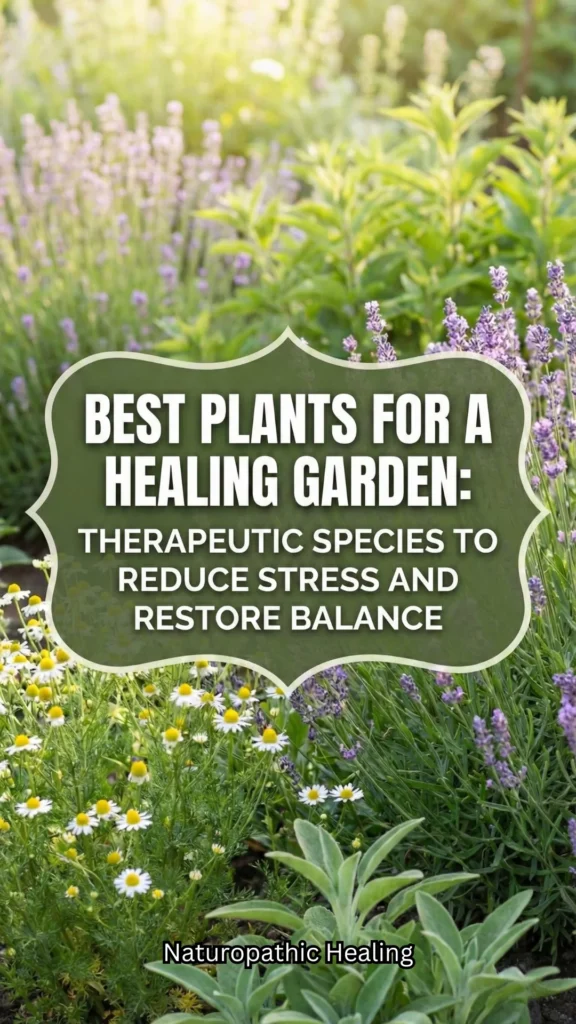
A healing garden is an intentional space designed to nurture your mind, body, and spirit. Research shows that spending time with plants can lower stress hormones, reduce blood pressure, and improve mood. The act of gardening itself—touching soil, observing growth, breathing fresh air—grounds us in the present moment.
Plants for stress relief engage multiple senses at once. The scent of lavender calms the nervous system. The soft leaves of lamb’s ear provide tactile comfort. The bright blooms of calendula lift the spirits. A sensory garden filled with therapeutic species becomes a living sanctuary where you can release tension and find balance.
These gardens aren’t about perfection or horticultural expertise. They’re about creating a space that feels safe, restorative, and alive—a place where healing happens naturally.
The 15 Best Plants for a Healing Garden
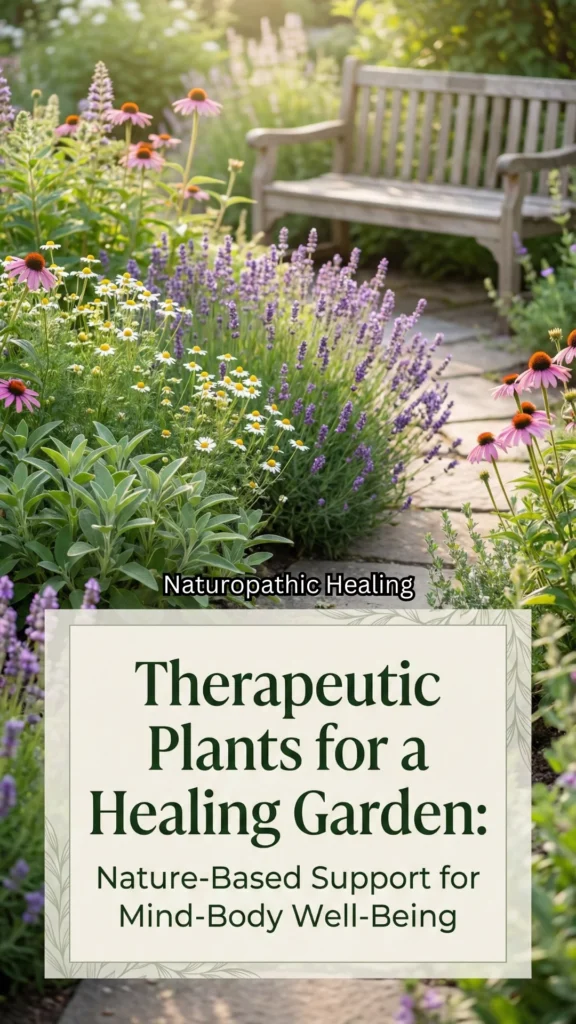
Here are 15 therapeutic plants that bring calming energy, sensory richness, and emotional support to any healing space.
1. Lavender (Lavandula angustifolia)
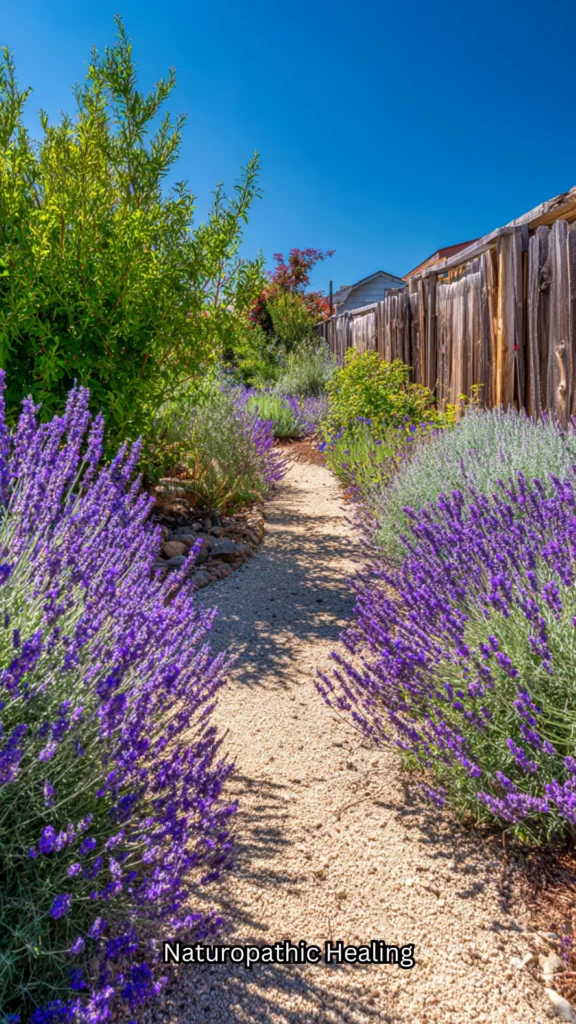
Key benefit: Reduces anxiety and promotes deep relaxation
Why it works: Lavender’s soft purple blooms and gentle fragrance are scientifically shown to calm the nervous system and ease restlessness. Brushing against the stems releases soothing essential oils that encourage mental clarity and peaceful sleep.
Thrives in full sun and well-drained soil.
2. Chamomile (Matricaria chamomilla)
Key benefit: Soothes nervous tension and encourages gentle calm
Why it works: Chamomile’s delicate daisy-like flowers carry a sweet, apple-scented aroma that quiets an overactive mind. This humble plant invites you to pause, breathe, and soften into stillness.
Easy to grow in sun or partial shade.
3. Lemon Balm (Melissa officinalis)
Key benefit: Uplifts mood and eases feelings of overwhelm
Why it works: With its bright, lemony scent and soft leaves, lemon balm gently lifts the spirit while calming racing thoughts. It’s perfect for moments when you need both comfort and clarity.
Grows vigorously; plant in containers to control spread.
4. Rosemary (Rosmarinus officinalis)
Key benefit: Enhances mental focus and clears energetic stagnation
Why it works: Rosemary’s invigorating, pine-like fragrance sharpens concentration and helps release mental fog. Its evergreen presence offers steady, grounding energy year-round.
Loves full sun and dry conditions.
5. Peppermint (Mentha × piperita)
Key benefit: Refreshes energy and relieves tension
Why it works: Peppermint’s cool, crisp scent revitalizes the senses and soothes physical discomfort. Running your fingers over its leaves releases a burst of clarity and renewed vitality.
Grows quickly; best in pots to prevent spreading.
6. Jasmine (Jasminum officinale)
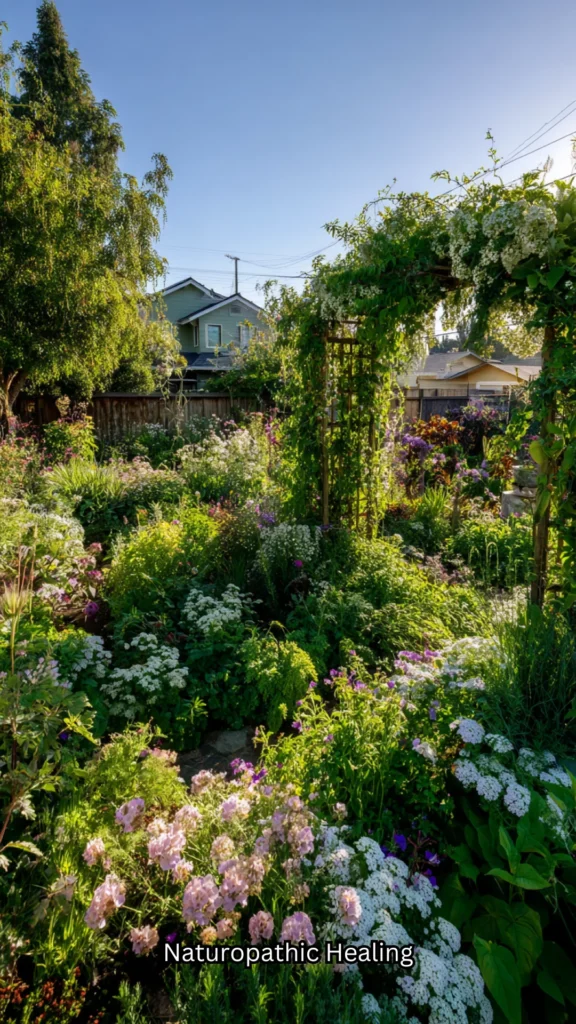
Key benefit: Opens the heart and invites emotional ease
Why it works: Jasmine’s intoxicating floral scent is known to reduce stress and promote feelings of warmth and connection. Its evening blooms create a sacred, tranquil atmosphere.
Prefers warm climates and support for climbing.
7. Calendula (Calendula officinalis)
Key benefit: Brings joy and supports emotional resilience
Why it works: Calendula’s bright orange and yellow blooms radiate cheerfulness and vitality. This hardy plant symbolizes healing and optimism, lifting spirits with its sunny presence.
Blooms prolifically in full sun.
8. Aloe Vera (Aloe barbadensis miller)
Key benefit: Offers physical and emotional soothing
Why it works: Aloe’s plump, healing leaves provide comfort inside and out. Its quiet, undemanding presence brings a sense of safety and gentle nurturing to your space.
Easy to grow indoors; needs bright, indirect light.
9. Sage (Salvia officinalis)
Key benefit: Clears negative energy and promotes grounding
Why it works: Sage has been used for centuries in cleansing rituals. Its silvery leaves and earthy aroma help release stress and create a sense of purification and renewal.
Drought-tolerant and loves full sun.
10. Thyme (Thymus vulgaris)
Key benefit: Strengthens courage and supports emotional fortitude
Why it works: Thyme’s tiny leaves and delicate flowers carry a warm, herbaceous scent that inspires confidence and inner strength. It’s a grounding ally during times of change.
Low-growing and perfect for borders or containers.
11. Marigold (Tagetes)
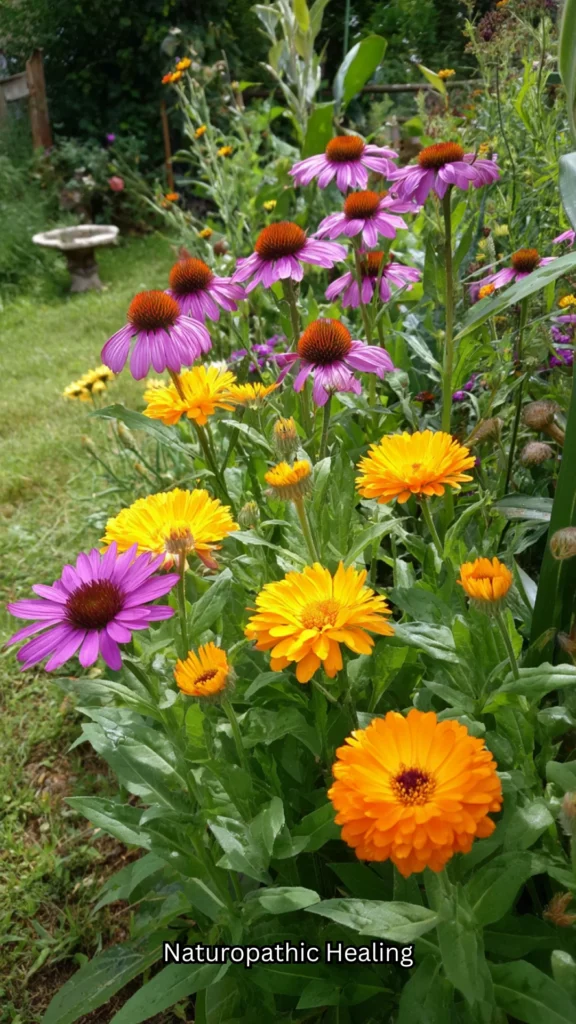
Key benefit: Protects boundaries and uplifts the spirit
Why it works: Marigold’s vibrant blooms radiate warmth and resilience. This cheerful plant encourages optimism and helps create a sense of energetic protection in your healing space.
Blooms all summer in full sun.
12. Geranium (Pelargonium)
Key benefit: Balances emotions and restores harmony
Why it works: Geranium’s soft, aromatic leaves and delicate flowers promote emotional equilibrium. Its gentle presence helps ease irritability and encourages a return to centeredness.
Great for pots; prefers sunny spots.
13. Yarrow (Achillea millefolium)
Key benefit: Supports healing and emotional release
Why it works: Yarrow’s feathery leaves and flat-topped blooms offer grounding energy. Known as a plant of warriors, it helps process pain and encourages gentle transformation.
Hardy perennial; thrives in poor soil and full sun.
14. Echinacea (Echinacea purpurea)
Key benefit: Builds resilience and inner strength
Why it works: Echinacea’s bold purple petals symbolize vitality and courage. This sturdy plant reminds us of our own capacity to endure and flourish through challenges.
Attracts pollinators; loves full sun.
15. Mint (Mentha)
Key benefit: Refreshes perspective and clears mental clutter
Why it works: Mint’s bright, cooling energy awakens the senses and helps shift stuck emotions. It’s a reminder that renewal is always possible, one fresh breath at a time.
Grows vigorously; best contained in pots.
Creating Your Own Healing Garden
The best plants for a healing garden are the ones that speak to your heart. Start small. Choose healing garden plants that resonate with your needs—whether that’s calming lavender for bedtime peace, uplifting calendula for morning energy, or grounding sage for moments of transition.
Tend your sensory garden with intention. Touch the leaves, breathe in the scents, and observe the changing blooms. Let your therapeutic plants remind you that healing is a gentle, ongoing process—one rooted in connection, presence, and care.
In a world that often feels overwhelming, a healing garden offers a sacred pause. It’s a place where you can return to yourself, restore balance, and remember that nature is always ready to support your well-being.