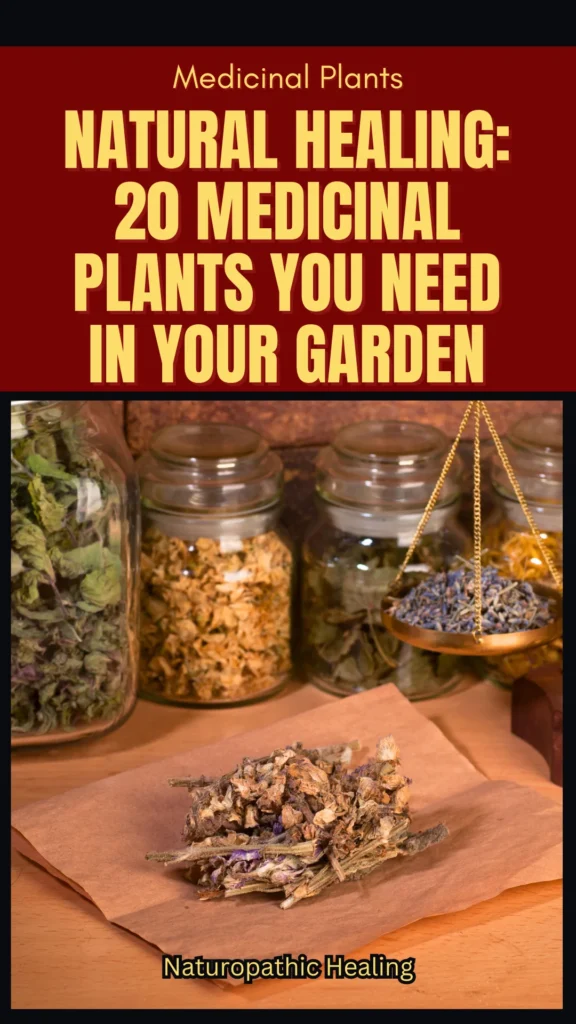

Are you interested in harnessing the healing power of nature? Medicinal plants and their uses have been a cornerstone of traditional medicine for thousands of years, offering natural remedies to treat various ailments and promote overall wellness. In this comprehensive guide, we’ll explore 20 remarkable medicinal plants and their uses, backed by modern scientific research, to help you understand the profound benefits of these plants and their applications.
Table of Contents
Why Choose Medicinal Plants?
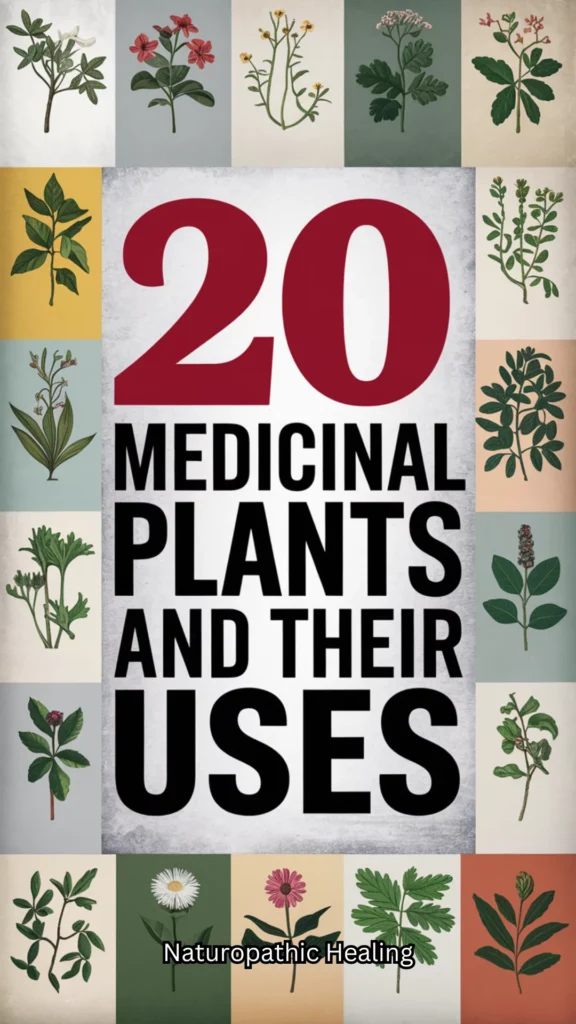
Before diving into our list of powerful natural remedies, it’s worth understanding why these botanical wonders have stood the test of time. Traditional medicine has relied on plants for centuries, and many modern pharmaceuticals are derived from plant compounds. These natural healers offer gentle yet effective solutions for common health concerns.
Top 20 Medicinal Plants and Their Therapeutic Uses

1. Turmeric (Curcuma longa)
The golden child of herbal medicine, turmeric contains curcumin, a powerful anti-inflammatory compound. This vibrant root has been used to treat digestive issues, reduce joint pain, and boost immune function. You’ll often find it in traditional Asian medicine and modern supplements alike.
2. Lavender (Lavandula angustifolia)
This fragrant healing herb isn’t just for pleasant aromas. Lavender has proven anxiety-reducing properties and can help improve sleep quality. Its essential oil is particularly effective for stress relief and minor burn treatment.
3. Echinacea (Echinacea purpurea)
A star player in the world of immune-boosting plants, Echinacea has been shown to reduce the duration and severity of cold symptoms. Native Americans have used this beautiful purple flower for centuries to fight infections.
4. Ginger (Zingiber officinale)
This spicy root is one of the most versatile medicinal plants. It effectively treats nausea, reduces muscle pain, and has powerful anti-inflammatory properties. Fresh ginger tea is a popular natural remedy for morning sickness and motion sickness.
5. Holy Basil (Ocimum sanctum)
Also known as Tulsi, this adaptogenic herb helps the body manage stress and anxiety. It’s rich in antioxidants and has been used in Ayurvedic medicine to boost immunity and improve respiratory health.
6. Aloe Vera (Aloe barbadensis miller)
This succulent is famous for its healing properties, particularly for skin conditions. The gel inside its leaves can treat burns, accelerate wound healing, and soothe skin irritations. It’s also taken internally for digestive health.
7. Chamomile (Matricaria chamomilla)
A gentle yet effective medicinal herb, chamomile is renowned for its calming properties. It helps with sleep, digestion, and anxiety. Its anti-inflammatory properties make it useful for skin conditions too.
8. Peppermint (Mentha × piperita)
This refreshing herb is more than just a flavoring. As a therapeutic plant, peppermint helps relieve digestive issues, headaches, and muscle pain. Its essential oil is particularly effective for tension headaches.
9. Elderberry (Sambucus nigra)
These dark berries are packed with immune-supporting compounds. Elderberry has shown impressive results in fighting cold and flu symptoms, making it a popular natural remedy during winter months.
10. Ginkgo Biloba (Ginkgo biloba)
One of the oldest living tree species, Ginkgo is a powerful brain-boosting herb. It improves circulation, enhances memory, and may help with cognitive decline.
11. Garlic (Allium sativum)
This common kitchen ingredient is a potent medicinal plant. Garlic has antimicrobial properties and may help lower blood pressure and cholesterol levels. It’s most effective when consumed raw or lightly cooked.
12. Rosemary (Rosmarinus officinalis)
More than just a culinary herb, rosemary is a brain-enhancing plant that improves memory and concentration. It also has antimicrobial properties and can help with digestive issues.
13. Calendula (Calendula officinalis)
These bright orange flowers have remarkable healing properties for skin conditions. Calendula cream or oil can help with wounds, burns, and skin inflammation.
14. Valerian (Valeriana officinalis)
Known as nature’s tranquilizer, this sleep-promoting herb helps with insomnia and anxiety. Its roots are typically used in teas or supplements for better sleep quality.
15. Green Tea (Camellia sinensis)
Packed with antioxidants, green tea is a powerful medicinal plant that may help prevent various diseases. It boosts metabolism, improves brain function, and has anti-aging properties.
16. St. John’s Wort (Hypericum perforatum)
This yellow-flowering herb is known for its mood-lifting properties. It’s commonly used for mild to moderate depression and seasonal affective disorder.
17. Feverfew (Tanacetum parthenium)
As its name suggests, this medicinal herb was traditionally used to reduce fever. Today, it’s better known for preventing migraines and reducing arthritis pain.
18. Milk Thistle (Silybum marianum)
This prickly plant is a powerful liver-supporting herb. Its active compound, silymarin, helps protect and regenerate liver cells.
19. Lemon Balm (Melissa officinalis)
A member of the mint family, this calming medicinal plant helps reduce stress and anxiety while improving sleep quality. It’s also beneficial for digestive issues.
20. Oregano (Origanum vulgare)
Beyond its culinary uses, oregano is a potent antimicrobial herb. Its oil has strong antibacterial and antifungal properties, making it useful for fighting infections.
How to Use Medicinal Plants Safely
While natural remedies can be incredibly beneficial, it’s important to use them wisely:
- Always research proper dosage and preparation methods
- Be aware of potential interactions with medications
- Consider consulting a healthcare provider before starting any herbal treatment
- Source your herbs from reputable suppliers
- Start with small doses to test for sensitivity
Recommended readings:
Frequently Asked Questions
While many medicinal plants are generally safe, some can interact with medications or cause allergic reactions. Always consult a healthcare provider before starting any new herbal treatment.
Most dried herbs should be stored in airtight containers in a cool, dark place. Fresh herbs typically last longer in the refrigerator.
Many medicinal plants can be grown at home in gardens or containers. Start with easy-to-grow herbs like mint, lavender, or aloe vera.
Properly stored dried herbs typically maintain their potency for 6-12 months, though some can last longer.
Share the Healing Power of Nature!
Did you love learning about these amazing medicinal plants and their uses? Save this article to your ‘Natural Remedies’ board on Pinterest and share it with friends who appreciate natural healing methods. Together, we can spread awareness about these incredible gifts from nature!