

Summer evenings on the patio, camping trips, and backyard barbecues all share one common unwelcome guest: mosquitoes. These pesky insects can quickly turn a pleasant outdoor experience into an itchy nightmare. While store shelves are stocked with commercial repellents, many contain chemicals that some people prefer to avoid. The good news? You can create effective DIY mosquito repellent solutions using natural ingredients you might already have at home.
Table of Contents
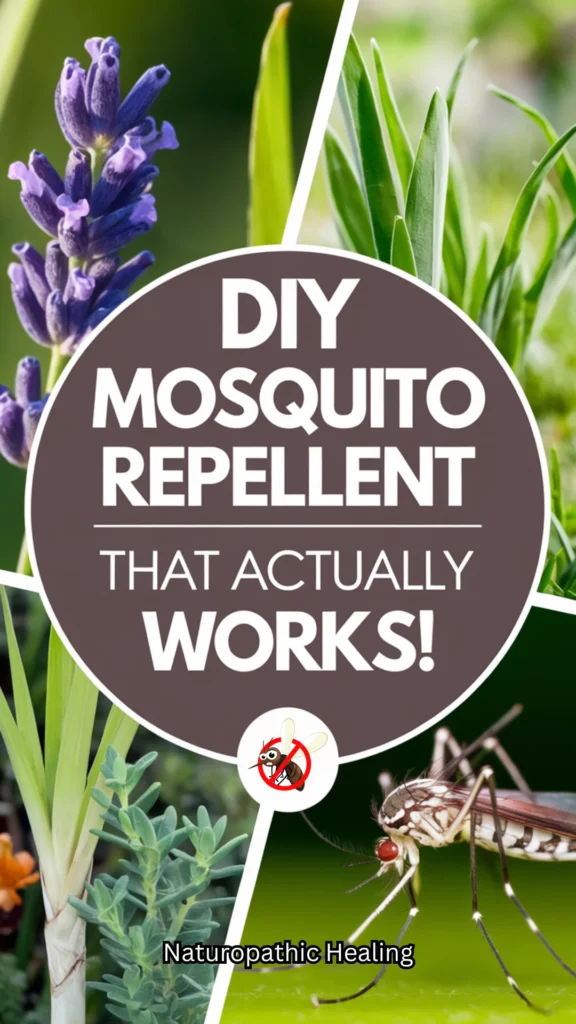
DIY Mosquito Repellent That Actually Works!
Why Choose DIY Mosquito Repellents?

Before diving into recipes, let’s explore why homemade options are gaining popularity:
- Natural ingredients mean fewer chemicals on your skin and in the environment
- Cost-effective compared to commercial brands
- Customizable scents and formulations
- Often made from renewable resources
- It can be just as effective when properly formulated
As someone who’s tested countless natural mosquito deterrents, I can attest that DIY solutions can work remarkably well when made correctly. Let’s explore some options that will help keep those bloodsuckers at bay!
Essential Oils: Nature’s Mosquito Defense
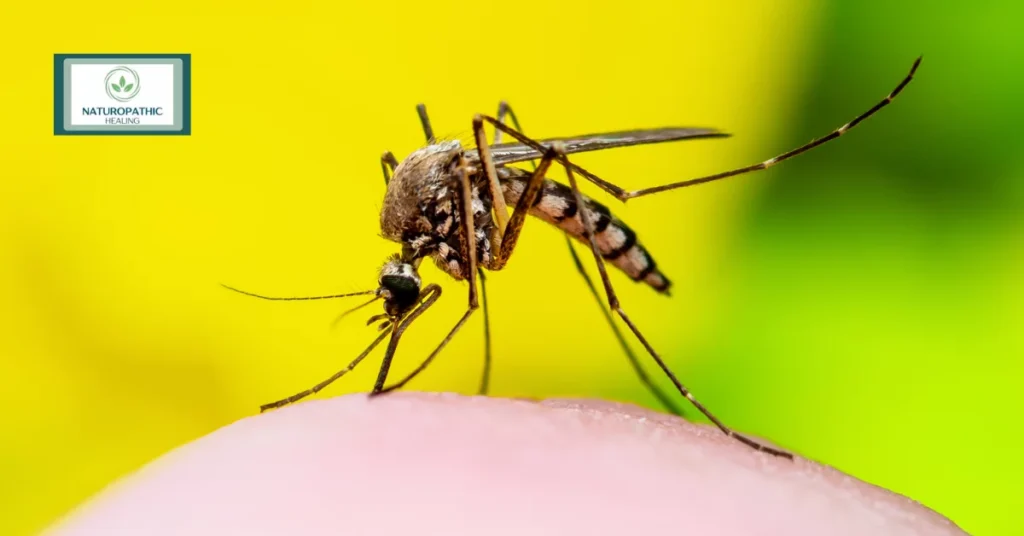
Mother Nature provides several powerful ingredients that mosquitoes absolutely hate. Essential oils top the list as effective natural mosquito repellents.
Citronella: The Classic Choice
Citronella has earned its reputation as the go-to mosquito-repelling essential oil. Extracted from lemongrass, citronella masks the scents that attract mosquitoes to humans, like carbon dioxide and lactic acid.
For a simple citronella spray:
- 10 drops citronella essential oil
- 1/4 cup witch hazel
- 1/4 cup water
- Small spray bottle
Mix ingredients in the spray bottle, shake well before each use, and apply to exposed skin (avoiding eyes and mouth).
Lemon Eucalyptus: CDC-Recognized Alternative
Oil of lemon eucalyptus isn’t just another natural insect repellent – it’s actually recognized by the CDC as an effective mosquito deterrent. Studies show it can provide protection comparable to low concentrations of DEET.
To make a lemon eucalyptus repellent:
- 10 drops lemon eucalyptus oil
- 1/4 cup coconut oil (liquid) or witch hazel
- Small container for storage
Mix well and apply to skin as needed. This formula smells pleasant to humans but sends mosquitoes flying in the opposite direction!
Other Potent Essential Oils
Several other essential oils have demonstrated mosquito-repelling properties:
- Lavender oil: Calming for humans, repulsive to mosquitoes
- Peppermint oil: Creates a cooling sensation while deterring bugs
- Tea tree oil: Has antimicrobial properties and repels various insects
- Clove oil: Strong scent that mosquitoes avoid
For an extra-strength blend, combine multiple oils:
- 4 drops each of citronella, lavender, and peppermint oils
- 1/4 cup witch hazel
- 1/4 cup distilled water
- 1 tablespoon vegetable glycerin (optional, helps oils mix with water)
Combine in a spray bottle, shake well, and apply as needed. Recommended reading: Essential Oils for Mosquito Repellent: Nature’s Solution to a Common Problem
Pantry Ingredients That Repel Mosquitoes
Your kitchen likely contains several ingredients that can be transformed into effective DIY mosquito deterrents.
Vinegar Repellent
Apple cider vinegar makes an excellent base for homemade repellents:
- 1/4 cup apple cider vinegar
- 1/4 cup witch hazel
- 20 drops of essential oil (choose from those mentioned above)
The vinegar smell dissipates after drying, leaving behind only the pleasant essential oil aroma and mosquito-fighting properties.
Garlic Spray (For Plants, Not Skin!)
Mosquitoes hate garlic as much as vampires do. While I wouldn’t recommend applying this directly to your skin, it works wonders for creating a mosquito-free zone in your yard:
- 4 cloves of garlic, minced
- 1 tablespoon mineral oil
- 2 cups water
- 1 teaspoon liquid dish soap
Soak garlic in mineral oil overnight, strain, add water and soap, then transfer to a spray bottle. Apply to plants and areas around your outdoor living space (avoid delicate foliage).
Creating DIY Mosquito Repellent Candles
Candles can provide ambiance and mosquito protection simultaneously. Here’s how to make your own citronella candles:
Simple Citronella Candles
You’ll need:
- Soy wax flakes (1 pound)
- Citronella essential oil (30-40 drops)
- Mason jars or heat-safe containers
- Candle wicks with metal bases
- Double boiler for melting wax
- Secure wicks to the bottom of containers using a small amount of melted wax
- Melt wax in double boiler
- Remove from heat and add essential oils
- Pour into containers, keeping wicks centered
- Allow to cool completely before using
Place these around your patio or deck for a pleasant evening without mosquito interruptions. The heat disperses the mosquito-repelling oils into the air, creating a protective bubble.
Environmental Controls: Beyond Sprays and Lotions
Sometimes, the best DIY mosquito control involves modifying your environment:
Eliminate Standing Water
Mosquitoes breed in stagnant water, even tiny amounts. Take these steps:
- Empty bird baths and refill regularly
- Clear gutters of debris
- Store buckets upside down
- Fill in low spots in your yard
Removing breeding grounds is a crucial step in reducing mosquito populations around your home.
Plant Natural Repellents
Create a living barrier with mosquito-repelling plants:
- Citronella grass
- Lavender
- Marigolds
- Basil
- Rosemary
- Mint
Not only do these add beauty to your garden, but brushing against them releases natural oils that discourage mosquitoes from hanging around.
DIY Mosquito Traps
Sometimes, offense is the best defense. These homemade traps can help reduce mosquito numbers:
The Brown Sugar Trap
- 1/4 cup brown sugar
- 1 cup hot water
- 1 gram of yeast
- 1 plastic bottle, cut in half
Dissolve sugar in hot water, let cool, add yeast. Place the funnel-side of the bottle upside down into the bottom half containing the mixture. Mosquitoes are attracted to the carbon dioxide produced by the yeast but can’t escape once they enter.
The Fan Trap
For a non-chemical approach:
- Box fan
- Mosquito netting or fine mesh screen
- Velcro strips
Attach netting to the back of the fan (the side that blows air out). The suction pulls mosquitoes in, and they get trapped against the netting. This DIY mosquito trap works especially well in enclosed spaces like porches.
Creating a Mosquito-Repellent Body Oil
For longer-lasting protection, make a natural mosquito repellent body oil:
- 1/4 cup coconut oil (solid at room temperature)
- 15 drops total of chosen essential oils
- Small jar for storage
Melt coconut oil slightly until just liquid, stir in essential oils, then allow to solidify. Apply to skin like lotion before outdoor activities.
Kid-Friendly DIY Mosquito Repellents
Children’s sensitive skin requires gentler formulations:
Gentle Child-Safe Spray
- 2 tablespoons witch hazel
- 2 tablespoons coconut oil or almond oil
- 5 drops lavender oil
- 5 drops citronella oil
- 1/4 cup distilled water
Combine ingredients in a spray bottle, shake well before each use. Always test on a small patch of skin first and avoid applying near eyes or mouth.
Understanding When to Use Commercial Repellents
While homemade mosquito repellents work well in many situations, there are times when you might want to consider commercial options:
- When traveling to areas with mosquito-borne diseases
- For extended periods in heavily infested areas
- For maximum protection during peak mosquito hours
Even the most dedicated DIY enthusiast should recognize when stronger protection might be necessary.
Tips for Maximum Effectiveness
To get the most from your DIY mosquito protection:
- Reapply more frequently than commercial repellents (typically every 1-2 hours)
- Store preparations in dark bottles away from sunlight
- Apply to all exposed skin and clothing edges
- Shake formulations well before each application
- Use multiple strategies simultaneously for better results
Frequently Asked Questions
Natural repellents can be effective, but typically need more frequent application. While DEET-based products might provide 6-8 hours of protection, natural mosquito repellents generally need reapplication every 1-2 hours for maximum effectiveness.
Most essential oils are NOT safe for pets, especially cats. Consult your veterinarian before using any repellent on or around animals. Some ingredients like citronella and tea tree oil can be toxic to pets.
When stored properly in dark bottles, most liquid formulations will maintain potency for 2-3 months. Solid preparations like balms and creams may last slightly longer.
Studies suggest oil of lemon eucalyptus and citronella provide the strongest mosquito-repelling effects among natural oils, with protection times approaching 2 hours per application.
Always consult your healthcare provider before using essential oils during pregnancy. Some oils are not recommended during certain trimesters.
Share the Buzz!
If you’ve found these DIY mosquito repellent ideas helpful, why not save this article to your “Natural Living” or “Summer Solutions” Pinterest board? Share these natural solutions with friends and family who might be looking for chemical-free ways to enjoy the outdoors. Together, we can make outdoor gatherings more comfortable without resorting to harsh chemicals!

