

Chronic inflammation is like a fire burning inside your body that never gets put out. It’s linked to everything from joint pain and fatigue to serious conditions like heart disease and diabetes. But here’s the good news: you can fight back with food. This 7-day anti-inflammatory diet meal plan isn’t just another fad diet – it’s a science-backed approach to eating that can help reduce inflammation and boost your overall health. Before you leave, make sure to download your anti-inflammatory diet meal plan and start your 7-day reset!
Table of Contents
What Is an Anti-Inflammatory Diet and Why Does It Matter?
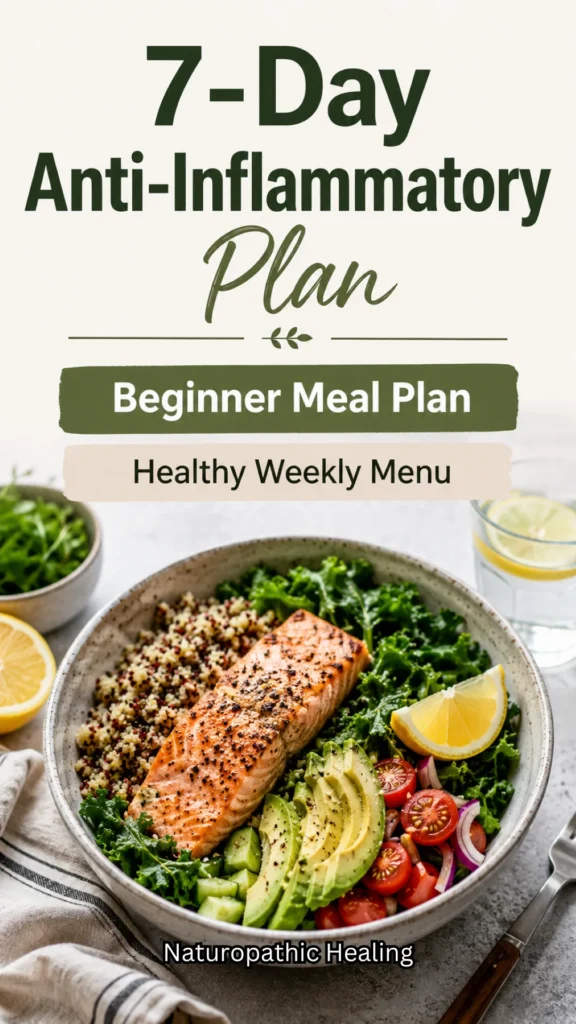
An anti-inflammatory diet focuses on foods that naturally reduce inflammation in your body while avoiding those that trigger it. Think of it as choosing team players that work with your body instead of against it. Foods rich in omega-3 fatty acids, antioxidants, and phytonutrients are your inflammation-fighting superstars.
The beauty of this approach is that you’re not just managing symptoms – you’re addressing the root cause. When you follow an anti-inflammatory meal plan, you’re giving your body the tools it needs to heal from the inside out. Research shows that people who stick to anti-inflammatory eating patterns experience less joint pain, better energy levels, and improved mood.
Foods That Fight Inflammation vs. Foods That Fuel It
Inflammation-Fighting Champions
Your anti-inflammatory diet should center around these powerhouse foods:
Fatty fish like salmon, mackerel, and sardines pack omega-3 fatty acids that act like natural anti-inflammatory medications. Leafy greens such as spinach and kale are loaded with antioxidants that neutralize harmful free radicals. Berries contain anthocyanins – compounds that give them their vibrant colors and serious anti-inflammatory properties.
Nuts and seeds provide healthy fats and vitamin E, while olive oil delivers oleic acid, a monounsaturated fat that reduces inflammatory markers. Don’t forget about colorful vegetables like bell peppers, broccoli, and sweet potatoes, which supply vitamin C and beta-carotene.
Inflammation Triggers to Avoid
Some foods are like adding fuel to that internal fire. Processed foods high in trans fats and added sugars top the list of inflammation promoters. Refined carbohydrates like white bread and pastries cause blood sugar spikes that trigger inflammatory responses.
Excessive amounts of red meat, especially processed varieties like bacon and sausage, can increase inflammatory markers. While you don’t need to eliminate these foods entirely, limiting them during your 7-day anti-inflammatory diet meal plan will give your body a chance to reset.
Your Complete 7-Day Anti-Inflammatory Diet Meal Plan
Day 1: Starting Strong
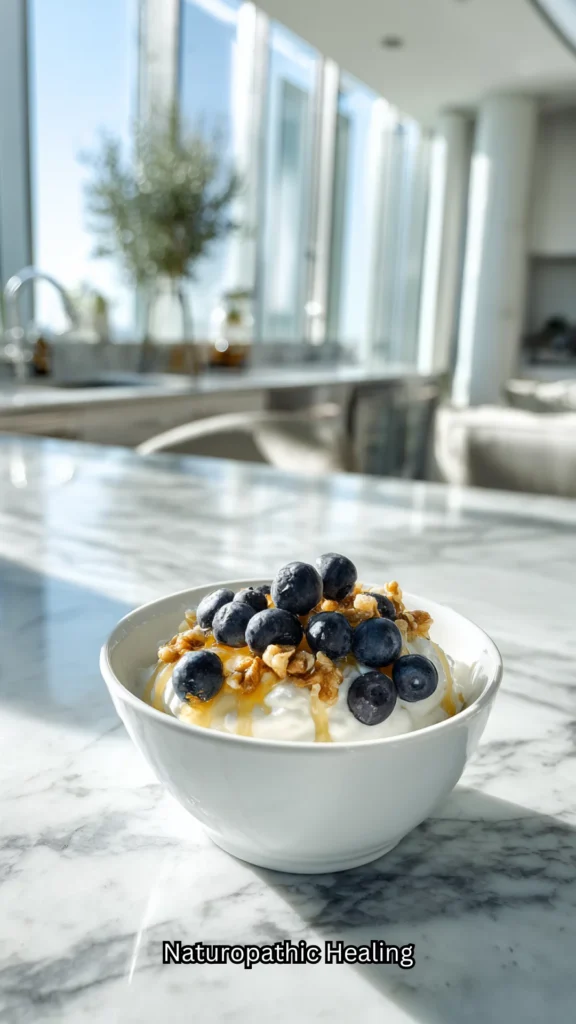
Breakfast: Greek yogurt topped with blueberries, walnuts, and a drizzle of honey. The probiotics in yogurt support gut health, which is crucial for managing inflammation.
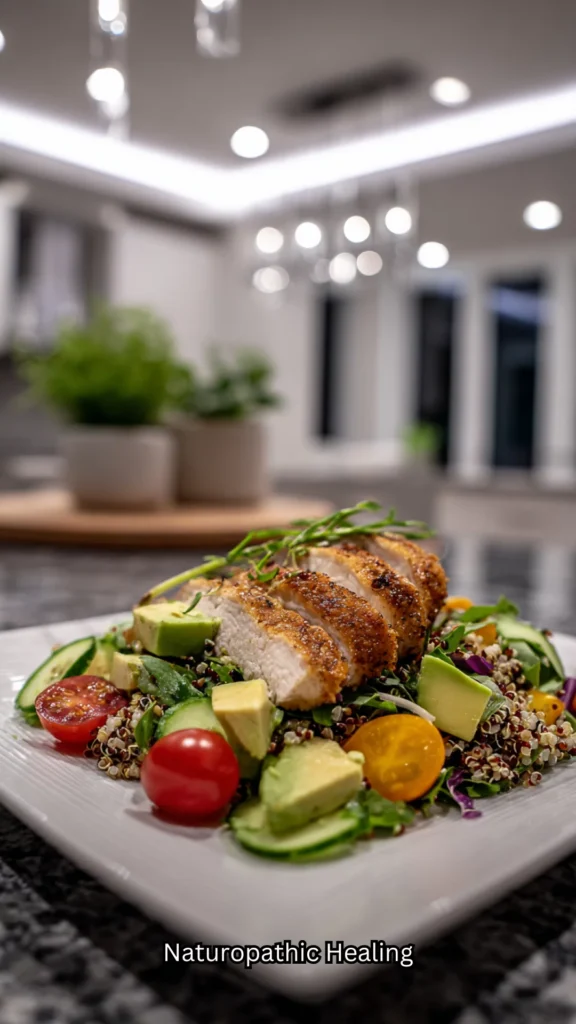
Lunch: Quinoa salad with mixed greens, cherry tomatoes, cucumber, avocado, and grilled chicken breast. Dress with olive oil and lemon juice for maximum anti-inflammatory benefits.
Dinner: Baked salmon with roasted sweet potatoes and steamed broccoli. This meal delivers omega-3s, beta-carotene, and sulforaphane – a triple threat against inflammation.
Snack: A small handful of almonds and an apple.
Day 2: Building Momentum
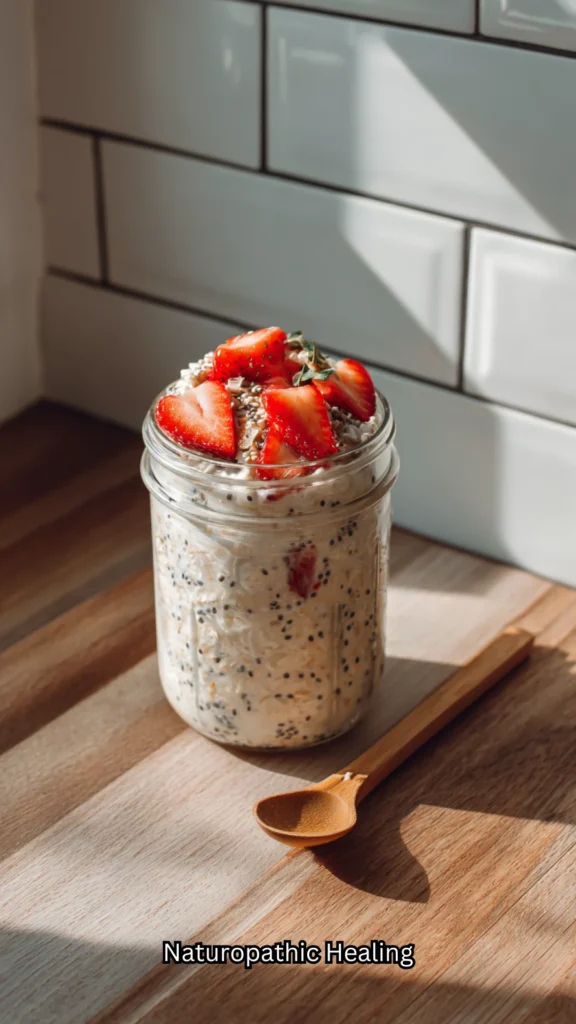
Breakfast: Overnight oats made with rolled oats, chia seeds, almond milk, and topped with sliced strawberries and a sprinkle of cinnamon.
Lunch: Lentil soup with carrots, celery, and spinach, served with a side of whole grain bread.
Dinner: Grilled chicken with Mediterranean quinoa (mixed with diced tomatoes, olives, and fresh herbs) and a side of roasted Brussels sprouts.
Snack: Carrot sticks with hummus.
Day 3: Finding Your Rhythm

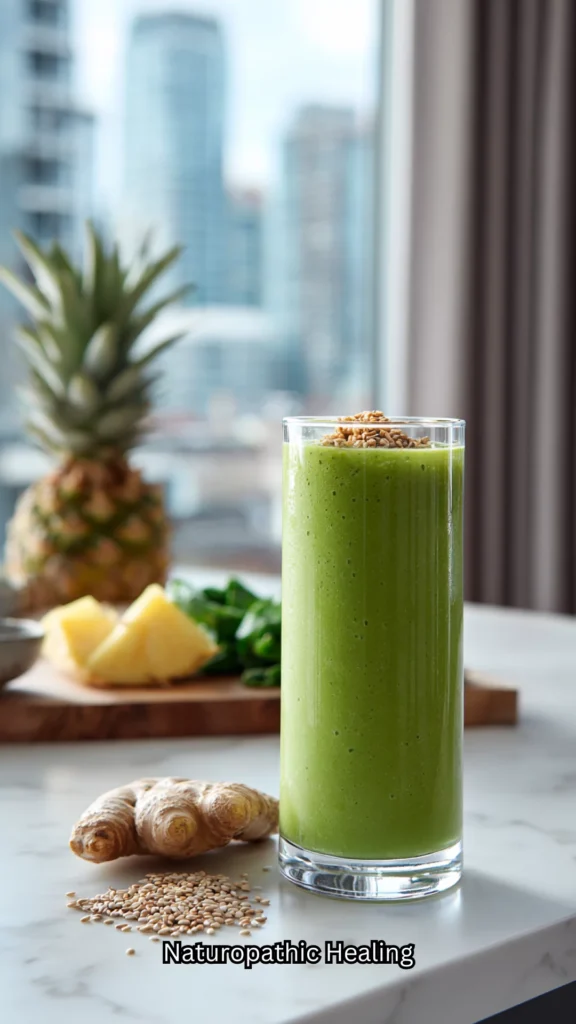
Breakfast: Smoothie made with spinach, pineapple, ginger, coconut water, and flaxseeds. Ginger is particularly powerful for reducing inflammation.
Lunch: Large salad with mixed greens, grilled turkey, cherry tomatoes, cucumber, bell peppers, and a tahini dressing.
Dinner: Baked cod with herb-roasted vegetables (zucchini, bell peppers, and red onion) and brown rice.
Snack: A small bowl of mixed berries.
Day 4: Midweek Motivation

Breakfast: Avocado toast on whole grain bread topped with sliced tomatoes and a sprinkle of hemp seeds.
Lunch: Vegetable and bean chili packed with kidney beans, bell peppers, onions, and tomatoes, topped with fresh cilantro.
Dinner: Grilled portobello mushrooms stuffed with quinoa, spinach, and pine nuts, served with a side salad.
Snack: Green tea and a small piece of dark chocolate (70% cacao or higher).
Day 5: Staying Consistent
Breakfast: Steel-cut oatmeal with sliced banana, ground flaxseed, and a dollop of almond butter.
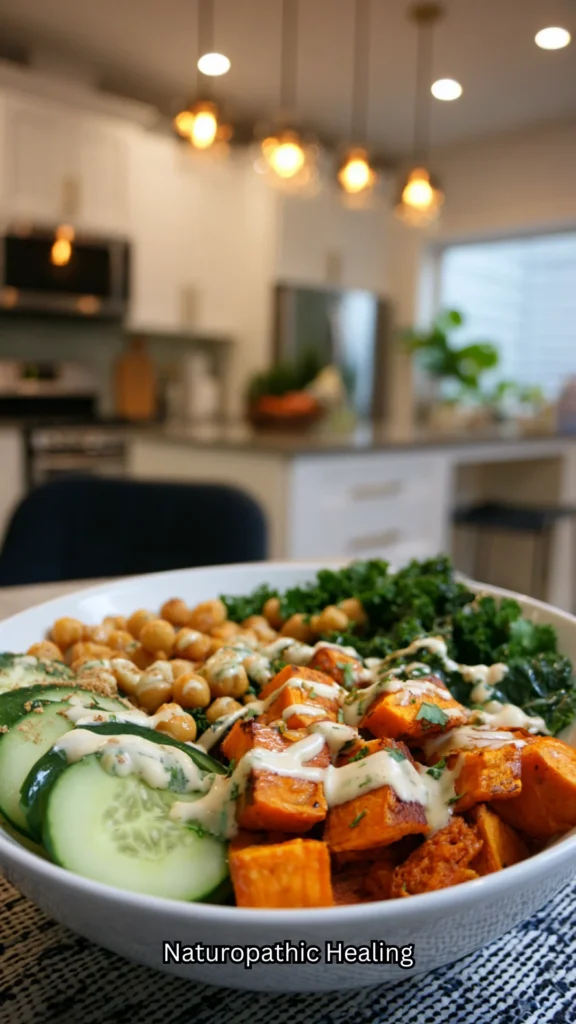
Lunch: Buddha bowl with roasted sweet potato, chickpeas, kale, cucumber, and a turmeric-tahini dressing.
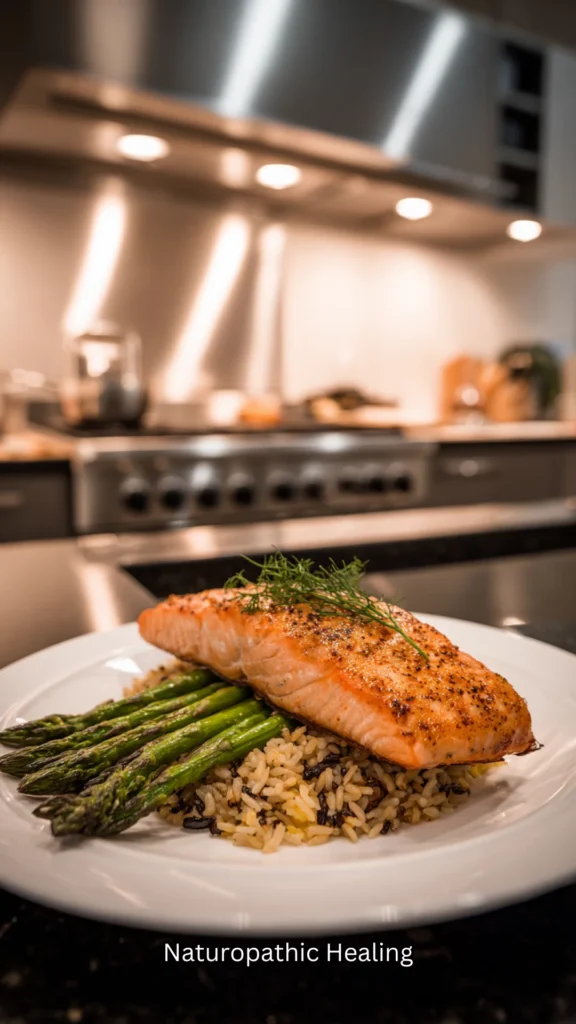
Dinner: Pan-seared salmon with asparagus and wild rice pilaf.
Snack: Celery sticks with natural peanut butter.
Day 6: Almost There
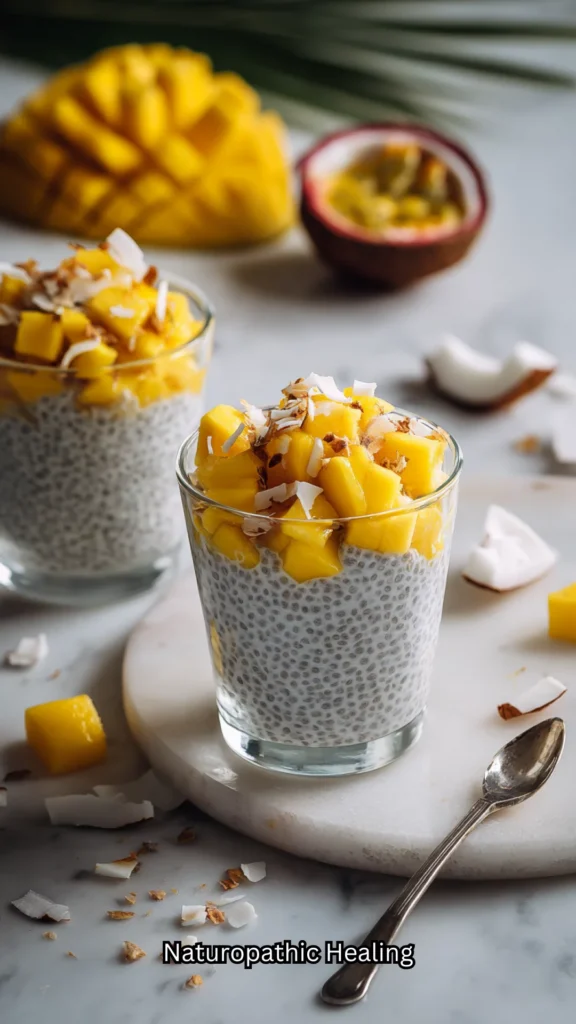
Breakfast: Chia pudding made with coconut milk, topped with fresh mango and coconut flakes.
Lunch: Grilled chicken and vegetable wrap using a whole wheat tortilla, filled with lettuce, tomatoes, bell peppers, and avocado.
Dinner: Vegetarian black bean and sweet potato tacos with corn tortillas, topped with fresh salsa and a squeeze of lime.
Snack: A handful of pistachios.
Day 7: Finishing Strong
Breakfast: Vegetable omelet made with spinach, mushrooms, and bell peppers, cooked in olive oil.
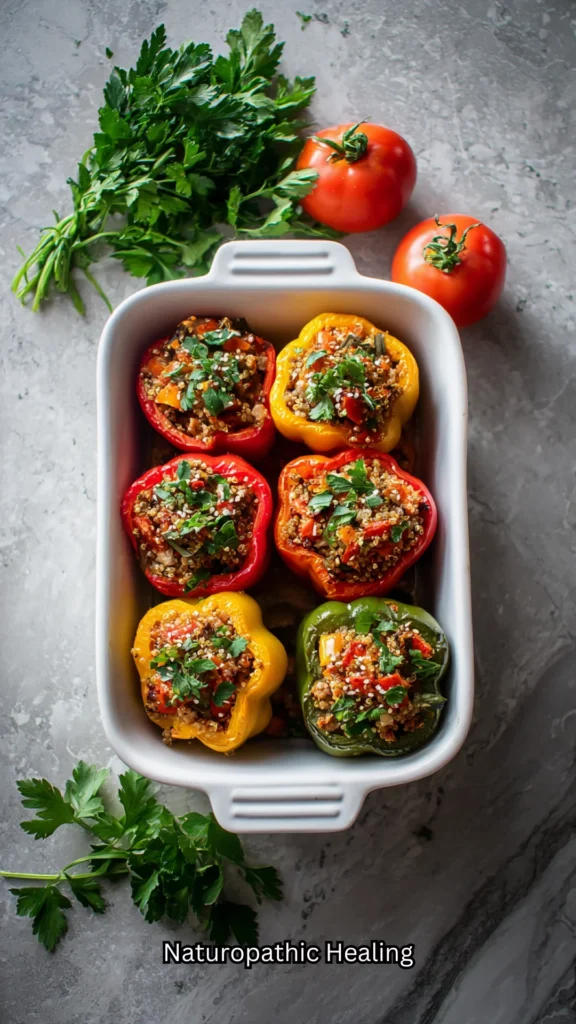
Lunch: Quinoa-stuffed bell peppers with ground turkey, diced tomatoes, and fresh herbs.
Dinner: Grilled mackerel with roasted rainbow vegetables and a small portion of quinoa.
Snack: Herbal tea with a few dates stuffed with almond butter.
Essential Tips for Success on Your Anti-Inflammatory Diet Journey
Hydration plays a crucial role in managing inflammation. Aim for at least 8 glasses of water daily, and consider adding anti-inflammatory beverages like green tea and tart cherry juice to your routine. These drinks contain compounds that actively fight inflammation.
Meal prep is your secret weapon for sticking to your 7-day anti-inflammatory diet meal plan. Spend Sunday preparing vegetables, cooking grains, and marinating proteins. Having healthy options ready makes it easier to avoid inflammatory foods when you’re pressed for time.
Don’t forget about herbs and spices – they’re inflammation-fighting powerhouses that add flavor without calories. Turmeric, ginger, garlic, and cinnamon should become your new best friends. These seasonings contain potent anti-inflammatory compounds that enhance both taste and health benefits.
Maximizing Your Results Beyond the Kitchen
While your anti-inflammatory meal plan is the foundation, other lifestyle factors amplify your results. Regular exercise reduces inflammatory markers, but you don’t need to become a gym warrior. Even a 30-minute daily walk can make a significant difference.
Sleep quality directly impacts inflammation levels. Aim for 7-9 hours of quality sleep each night, and create a bedtime routine that helps you unwind. Poor sleep triggers the release of inflammatory chemicals, undermining your dietary efforts.
Stress management is equally important. Chronic stress promotes inflammation, so find healthy ways to cope. Whether it’s meditation, deep breathing, or yoga, incorporating stress-reduction techniques enhances the benefits of your anti-inflammatory diet.
What to Expect During Your First Week
Your body might need a few days to adjust to this new way of eating, especially if you’re coming from a diet high in processed foods. Some people experience increased energy and better digestion within the first few days, while others might initially feel tired as their body detoxifies.
Joint pain and stiffness often improve within the first week, though more significant changes typically occur after 2-4 weeks of consistent eating. Keep a food journal to track how different foods make you feel – this awareness will help you identify your personal inflammation triggers.
Remember that this 7-day anti-inflammatory diet meal plan is just the beginning. The goal is to establish sustainable eating patterns that you can maintain long-term. Don’t aim for perfection; aim for progress.
Making It Work for Your Lifestyle
Flexibility is key to long-term success with any anti-inflammatory diet. If you don’t like fish, focus on plant-based omega-3 sources like walnuts, flaxseeds, and chia seeds. Vegetarians can emphasize legumes, nuts, and seeds for protein while maintaining anti-inflammatory benefits.
Budget-conscious? Frozen fruits and vegetables often contain more nutrients than fresh produce that’s traveled long distances. Canned fish, dried beans, and seasonal produce help keep costs down while maximizing nutrition.
Time-strapped individuals can batch cook on weekends and rely on simple meals like salads with pre-cooked protein, smoothies, and one-pot dishes that combine multiple anti-inflammatory ingredients.
Your journey to better health through nutrition starts with a single meal, and this 7-day anti-inflammatory diet meal plan provides the roadmap. By choosing foods that fight inflammation rather than fuel it, you’re investing in your long-term health and vitality. Remember, small, consistent changes lead to big results over time.
Love this 7-day anti-inflammatory diet meal plan? Save this pin to your healthy eating Pinterest board and share it with friends who could benefit from reducing inflammation naturally! Together, we can spread the word about the healing power of food.

Recommended Readings
- High-Protein Anti-Inflammatory Recipes
- 10 Anti-Inflammation Diet Recipes for Beginners
- 10 Anti-Inflammatory Vegan Recipes to Boost Your Health
- 10 Anti-Inflammatory Smoothie Recipes to Boost Your Health
- 5 Powerful Anti-Inflammatory Soup Recipes to Heal Your Body
- Anti-Inflammatory Turmeric Chicken Soup
- Anti-Inflammatory Food List: Your Guide to Fighting Inflammation Naturally
- The Complete Guide to an Anti-Inflammatory Diet
- 10 Delicious Anti-Inflammation Breakfast Recipes to Start Your Day
