

When experiencing minor discomforts like headaches, muscle pain, hangovers, or similar issues, we often turn to ibuprofen or Gelocatil. When used sparingly and locally, these medications can be effective in alleviating pain.
However, problems arise when pain becomes chronic, necessitating regular use of these medications. Over time, this can lead to issues with the kidneys or liver and create a habit of relying on these drugs.
To help you avoid such situations, we offer a selection of medicinal plants that may help you reduce, or at least temporarily avoid, the need for ibuprofen and Gelocatil in your daily life.
Table of Contents
Chamomile: The Top Natural Remedy
While chamomile is commonly associated with alleviating stomach pains or reducing eye inflammation, it also has positive effects on headaches.
Chamomile, when consumed as an infusion, can help you relax and even aid in sleep, thereby relieving the tension and stress associated with headaches.
According to research conducted at the Memorial Sloan-Kettering Cancer Center in the United States, this medicinal plant contains essential compounds and extracts that have soothing and relaxing properties.

Ginger: A Powerful Supplement for Pain Relief
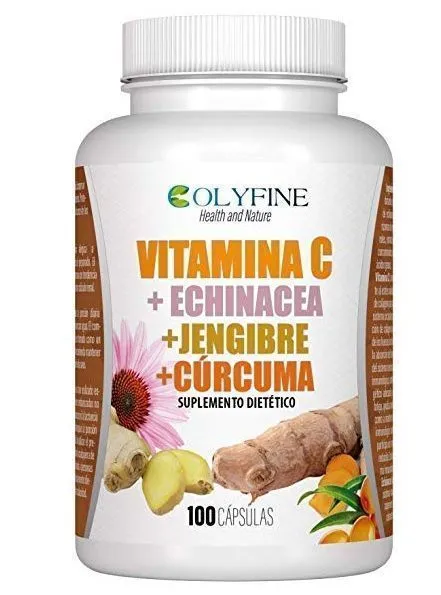
You can complement the use of ibuprofen or Gelocatil with ginger to enhance the pain-relieving effect.
This medicinal plant is particularly useful for muscle aches, such as those in the back, shoulders, or joints. Ginger can be effective if you still experience pain after taking ibuprofen.
Ginger contains anti-inflammatory compounds that can help with pain related to muscle and joint inflammation. Additionally, it has analgesic properties that can reduce pain and discomfort, making it beneficial for headaches and migraines as well.
How to Use Ginger for Pain Relief
Ginger is commonly used in cooking, especially in many Asian dishes. When used properly, it can provide significant pain relief due to its analgesic and anti-inflammatory effects.
You can also use ginger as a substitute or supplement to ibuprofen or Gelocatil by preparing an infusion.
To make the infusion, use a small piece of ginger root in one liter of water. Bring it to a boil, then let it steep. Once it has cooled, you can drink it. Adding a few drops of lemon, sugar, or honey can improve the flavor.
For local inflammation, you can use the ginger infusion topically. Soak a cloth in the infusion and apply it to the affected area.

- Pure & Reliable Choice: Crafting great tea bags from great ingredients. We select high-quality natural ginger roots, which are carefully planted, dried, and processed to preserve their inherent benefits and taste


Mint: An Excellent Vasodilator
When dealing with a headache or hangover, peppermint infusions can help relieve general discomfort and pain. This aromatic plant is known for its vasodilator properties.
For headaches, it’s best to use mint as an infusion. For muscle pain, applying peppermint essential oil and massaging the affected area can be both soothing and effective.
Additionally, mint has calming effects on colds and can help soothe coughs and reduce mucus. This is due to its high content of ascorbic acid, which has decongestant and mucolytic properties.
Rosemary Oil for Muscle Aches
Rosemary oil is commonly used to relieve local inflammation and muscle pain. It has anti-inflammatory and soothing properties, as well as antiseptic and antibacterial qualities, making it ideal for treating superficial wounds, cuts, and burns.
Recommended reading: Essential Oils for Pain Relief: A Comprehensive Guide
How to Make Rosemary Oil
Making rosemary oil is straightforward and allows you to have a ready supply whenever you need it.
You will need fresh rosemary and a carrier oil of your choice, such as olive, almond, or argan oil.
- Preparation: Place some fresh rosemary branches into a plastic or glass jar, covering the entire surface. Using fresh rosemary ensures that you retain all its medicinal properties and extracts.
- Adding the Oil: Pour the carrier oil into the jar until the rosemary branches are completely covered. Seal the jar and store it in a dark, cool, and dry place.
- Infusion: Occasionally shake the container to help release the rosemary’s extracts into the oil.
After about 20 days, the rosemary oil will be ready for use. It can be applied topically to treat wounds, cuts, and inflamed areas.

- GET CONNECTED WITH NATURE: Pure Organic Rosemary Oil has a herbaceous, slightly earthy and balsamic scent. It clears the air around you so you can bask in the natural freshness.
Cinnamon: The Versatile Medicinal Plant
Cinnamon boasts a wide range of properties, including anti-inflammatory and anticoagulant effects. This makes it a useful option for alleviating menstrual pain, similar to ibuprofen or Gelocatil.
One of the best aspects of cinnamon is its versatility. It doesn’t always require preparing infusions, although they are effective. You can incorporate cinnamon into your diet in various ways—by mixing it with sweeteners and adding it to milk, desserts, fruits, and more.
What are your favorite methods for relieving headaches without relying on medications like ibuprofen?
