

Are you tired of spending a fortune on waterproof sunscreens that don’t live up to their promises? Looking for a natural alternative that won’t harm your skin or the environment? You’ve come to the right place! Today, I’m sharing everything you need to know about making your own DIY waterproof sunscreen at home.
As someone who loves swimming and outdoor activities, I’ve always struggled to find a sunscreen that stays put when I’m sweating or swimming. This led me down the rabbit hole of creating my own waterproof sun protection that’s effective, affordable, and uses ingredients I can actually pronounce!
Table of Contents
Why Make Your Own Waterproof Sunscreen?
Commercial sunscreens often contain chemicals that can irritate sensitive skin or potentially harm marine life. By making your own DIY waterproof sunscreen, you can:
- Control exactly what goes onto your skin
- Avoid potentially harmful chemicals like oxybenzone
- Create a water-resistant formula that actually works
- Save money in the long run
- Customize the scent and texture to your preferences
- Reduce plastic waste from commercial sunscreen packaging
While homemade sunscreen takes a bit more effort upfront, the benefits for your skin, wallet, and the planet make it worthwhile.
Understanding SPF and Waterproof Claims
Before diving into recipes, let’s understand what we’re trying to achieve. SPF (Sun Protection Factor) measures how well a sunscreen protects against UVB rays. When creating a DIY waterproof sunscreen, it’s important to know that:
- Natural mineral ingredients like zinc oxide and titanium dioxide provide physical sun protection
- Oil-based ingredients help create a water-resistant barrier on skin
- Beeswax is a key ingredient for making sunscreen truly waterproof
- Even the best waterproof formulas need reapplication after extended swimming
Commercial sunscreens labeled “waterproof” are actually required to use the term “water-resistant” instead, with claims of either 40 or 80 minutes of protection while swimming or sweating. Our DIY versions aim for similar performance.
Essential Ingredients for DIY Waterproof Sunscreen
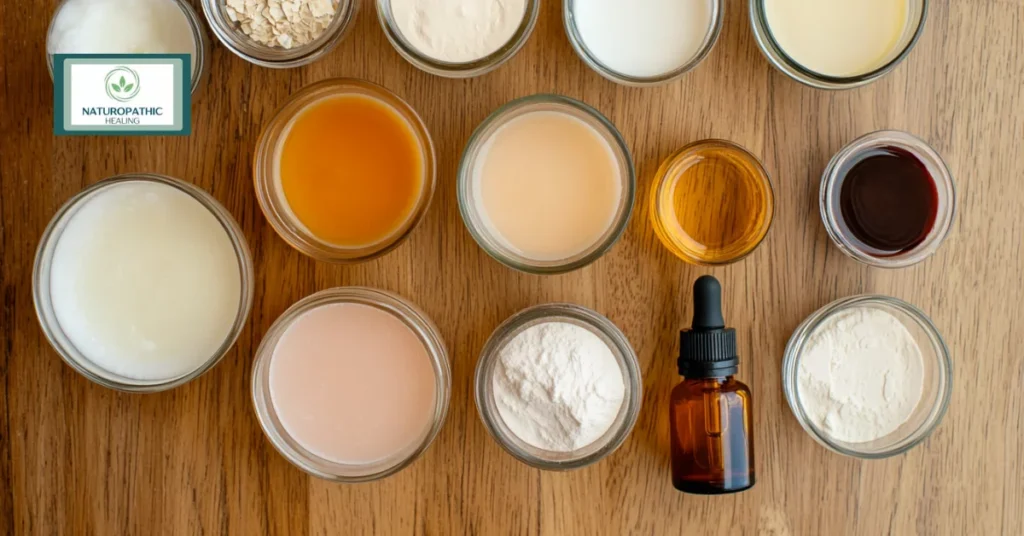
Creating effective homemade waterproof sunscreen requires specific ingredients that serve different purposes:
Mineral Sun Blockers
- Zinc Oxide: The most effective natural sunblock, providing broad-spectrum protection
- Titanium Dioxide: Another mineral option that works well in combination with zinc oxide
Waterproofing Agents
- Beeswax: The star ingredient that creates a water-resistant barrier
- Candelilla Wax: A vegan alternative to beeswax
- Carnauba Wax: Another plant-based option for waterproof properties
Nourishing Carrier Oils
- Coconut Oil: Offers some natural SPF (about 4-6) and absorbs well
- Red Raspberry Seed Oil: Contains natural SPF properties (around 25-50)
- Carrot Seed Oil: Provides natural sun protection and skin benefits
- Shea Butter: Creates a moisture barrier and adds creaminess
Optional Additions
- Essential Oils: For fragrance (lavender, peppermint, etc.)
- Vitamin E Oil: Acts as a preservative and antioxidant
- Aloe Vera: Adds soothing properties
Basic DIY Waterproof Sunscreen Recipe
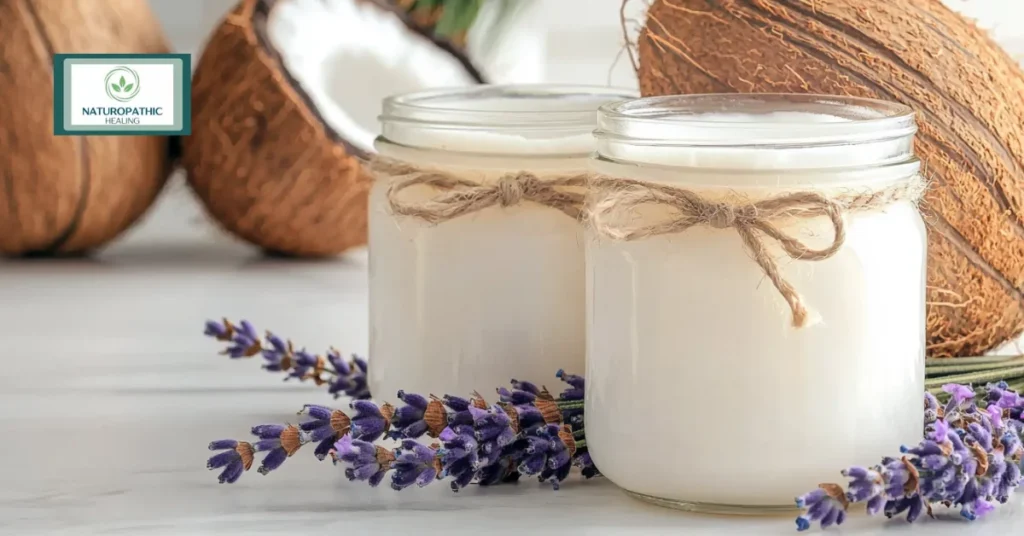
Let’s start with a simple but effective waterproof sunscreen recipe that you can make at home:
Ingredients:
- 1/4 cup coconut oil
- 1/4 cup shea butter
- 1/4 cup beeswax pellets
- 2 tablespoons zinc oxide powder (non-nano)
- 1 teaspoon vitamin E oil
- 10 drops essential oil (optional)
Equipment:
- Double boiler or heat-safe glass bowl and pot
- Whisk or hand mixer
- Storage containers (preferably dark glass)
Instructions:
- Melt coconut oil, shea butter, and beeswax in a double boiler over low heat.
- Remove from heat once completely melted and allow to cool slightly.
- Add vitamin E oil and essential oils if using.
- Put on a mask (to avoid inhaling zinc oxide) and slowly whisk in the zinc oxide powder until fully incorporated.
- Pour into storage containers and allow to cool completely before sealing.
- Label with date and ingredients.
This basic waterproof sunscreen provides approximately SPF 20-30 depending on the exact zinc oxide concentration, and will stay on for about 40 minutes of water activity before needing reapplication.
Advanced DIY Waterproof Sunscreen Formula
For those looking for a more robust waterproof sun protection formula with higher SPF, try this advanced recipe:
Ingredients:
- 1/4 cup coconut oil
- 2 tablespoons shea butter
- 2 tablespoons beeswax pellets
- 1 tablespoon red raspberry seed oil
- 1 teaspoon carrot seed oil
- 3 tablespoons non-nano zinc oxide powder
- 1 teaspoon vitamin E oil
- 10 drops lavender essential oil (optional)
Instructions:
Follow the same method as the basic recipe, but be extra careful when incorporating the larger amount of zinc oxide.
This advanced formula provides approximately SPF 30-50 and offers up to 80 minutes of water resistance due to the higher beeswax content and specialized oils.
Tips for Maximum Waterproof Performance
To ensure your DIY waterproof sunscreen performs at its best:
- Apply generously: Most people don’t use enough sunscreen
- Apply 15-20 minutes before sun exposure: This allows the sunscreen to set on your skin
- Reapply after swimming: Even the most waterproof formula needs reapplication
- Store properly: Keep in a cool place in sealed containers
- Check for separation: If your sunscreen separates, reheat gently and remix
- Make small batches: Homemade products lack commercial preservatives
Common Mistakes to Avoid
When making DIY waterproof sunscreen, watch out for these potential pitfalls:
- Using too little zinc oxide: This reduces SPF protection
- Inhaling zinc oxide powder: Always wear a mask when handling
- Assuming indefinite waterproofing: All sunscreens require reapplication
- Skipping the beeswax: The wax is essential for water-resistant properties
- Using expired ingredients: Fresh ingredients ensure effectiveness
- Expecting exact SPF ratings: Home testing of SPF isn’t possible, so err on the side of caution
Customizing Your DIY Waterproof Sunscreen
One of the best things about making homemade waterproof sunscreen is the ability to customize it for different needs:
For Sensitive Skin
- Skip the essential oils
- Add 1 tablespoon of colloidal oatmeal
- Consider using extra zinc oxide (which is generally well-tolerated)
For Kids
- Use higher beeswax content for extra waterproof quality
- Add a drop of vanilla extract for a pleasant scent
- Consider adding a tiny amount of non-toxic colorant to make application visible
For Face
- Add extra shea butter for moisture
- Reduce the coconut oil if you’re acne-prone
- Consider adding a few drops of frankincense essential oil for anti-aging benefits
How to Test Your DIY Waterproof Sunscreen
While you can’t test the exact SPF at home, you can test the waterproof qualities of your DIY sunscreen:
- Apply a small amount to your inner arm
- Wait 15 minutes for it to set
- Run water over the area for 40 minutes
- If the sunscreen still feels present and hasn’t completely washed away, your waterproofing agents are working
Remember that this is a basic test and doesn’t guarantee sun protection – always be cautious with new formulations.
Shelf Life and Storage
Properly stored DIY waterproof sunscreen typically lasts 3-6 months. To maximize shelf life:
- Store in dark glass containers
- Keep away from direct sunlight and heat
- Consider adding natural preservatives like rosemary extract
- Watch for changes in smell, color, or texture
- Label with the creation date
Environmental Benefits of DIY Sunscreen
Your homemade waterproof sunscreen isn’t just good for your skin – it’s better for the planet too:
- Avoids reef-harming chemicals like oxybenzone and octinoxate
- Reduces plastic packaging waste
- Uses natural ingredients that break down naturally
- Can be stored in reusable containers
Many popular vacation destinations are now banning certain sunscreen chemicals due to coral reef damage, making your DIY solution both timely and responsible.
Frequently Asked Questions
When made properly with adequate zinc oxide or titanium dioxide, homemade waterproof sunscreen can provide effective protection. However, it won’t have been tested in a lab for exact SPF ratings, so it’s best to be cautious and reapply frequently.
Depending on the beeswax content, DIY waterproof formulas typically last 40-80 minutes in water before needing reapplication, similar to commercial products.
Yes! Increasing the beeswax content will make your sunscreen more waterproof, but may also make it thicker and harder to apply. Finding the right balance is key.
Non-nano zinc oxide is considered safe for skin application and does not absorb into the bloodstream. It sits on top of the skin to physically block UV rays. Always avoid inhaling the powder during preparation.
With proper zinc oxide concentrations (20% or more by weight), you can create a DIY waterproof sunscreen with an estimated SPF of 30-50.
Ready to Hit the Beach!
Making your own DIY waterproof sunscreen is a rewarding project that puts you in control of what goes on your skin. While it requires some initial investment in ingredients, the ability to create customized, environmentally friendly sun protection is well worth the effort.
Remember that even the best homemade waterproof sunscreen works best as part of a comprehensive sun protection strategy. Wear protective clothing, seek shade during peak hours, and remember to reapply sunscreen regularly – especially after swimming or sweating.
If you found this guide helpful, why not save it to your Natural Living or DIY Beauty Pinterest board? Share it with friends who might be interested in creating their own waterproof sunscreen – after all, the best sun protection is the one you’ll actually use!

