

Are you tired of feeling sluggish, dealing with joint pain, or struggling with chronic inflammation? You’re not alone, and there’s good news – the anti-inflammatory Mediterranean diet might be exactly what your body needs to heal and thrive.
This isn’t just another fad diet that’ll leave you hungry and frustrated. The Mediterranean diet has been studied extensively for decades, and researchers consistently find it’s one of the most effective ways to reduce inflammation while enjoying delicious, satisfying meals.
Table of Contents
What Makes the Anti-Inflammatory Mediterranean Diet So Special?
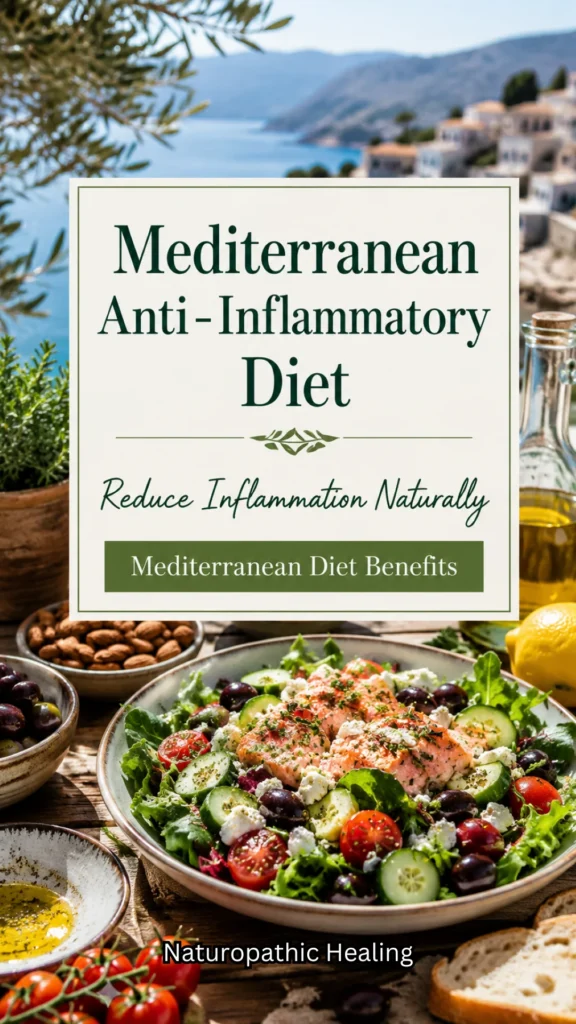
The Mediterranean diet originated from the traditional eating patterns of countries bordering the Mediterranean Sea – think Greece, Italy, Spain, and southern France. What makes this approach particularly powerful for fighting inflammation is its emphasis on whole, unprocessed foods that naturally contain anti-inflammatory compounds.
Unlike restrictive diets that eliminate entire food groups, the anti-inflammatory Mediterranean diet focuses on abundance rather than deprivation. You’ll be eating plenty of colorful vegetables, healthy fats, lean proteins, and yes – even moderate amounts of red wine if you choose.
The science behind this diet’s anti-inflammatory effects is impressive. Studies show that people following Mediterranean eating patterns have lower levels of C-reactive protein and interleukin-6 – two key markers of inflammation in the body. This translates to reduced risk of heart disease, diabetes, certain cancers, and even cognitive decline.
Core Principles of the Anti-Inflammatory Mediterranean Diet
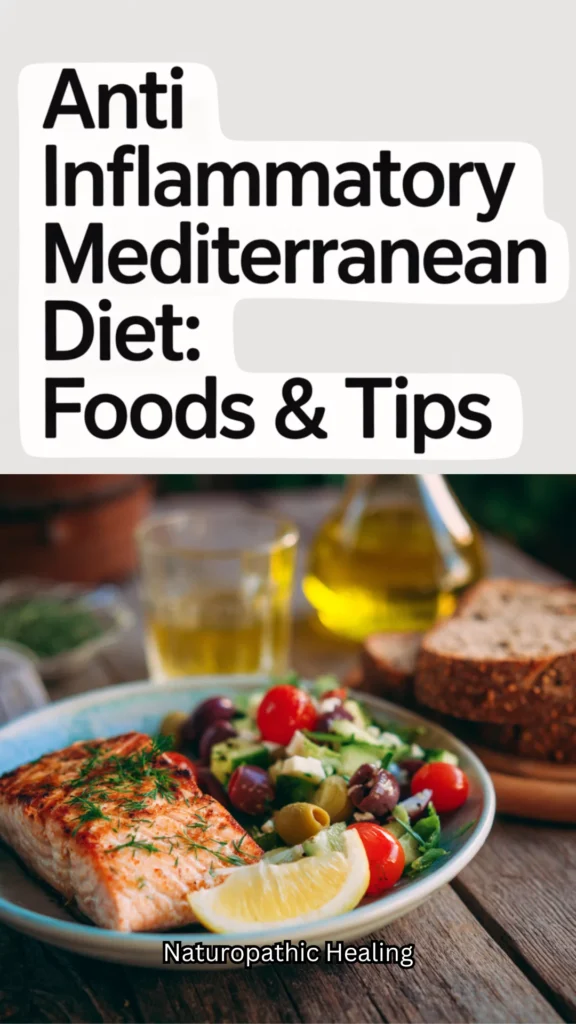
Prioritize Plant Foods
Your plate should be a rainbow of vegetables and fruits. These colorful foods are packed with antioxidants, polyphenols, and other compounds that actively fight inflammation. Aim for at least 5-7 servings daily, focusing on deeply colored options like berries, leafy greens, tomatoes, and bell peppers.
Choose Healthy Fats
This is where the Mediterranean diet really shines. Instead of avoiding fats, you’ll embrace the right ones. Extra virgin olive oil becomes your cooking companion, while nuts, seeds, and fatty fish provide omega-3 fatty acids that actively reduce inflammation.
Emphasize Whole Grains
Refined grains spike blood sugar and promote inflammation, but whole grains do the opposite. Quinoa, brown rice, oats, and whole wheat products provide steady energy and beneficial fiber that supports gut health – a crucial component of inflammation control.
Include Lean Proteins
Fish takes center stage, especially fatty varieties like salmon, sardines, and mackerel. These provide omega-3s that are particularly effective at reducing inflammation. Legumes, poultry, and moderate amounts of dairy round out your protein sources.


Top Anti-Inflammatory Foods to Include Daily
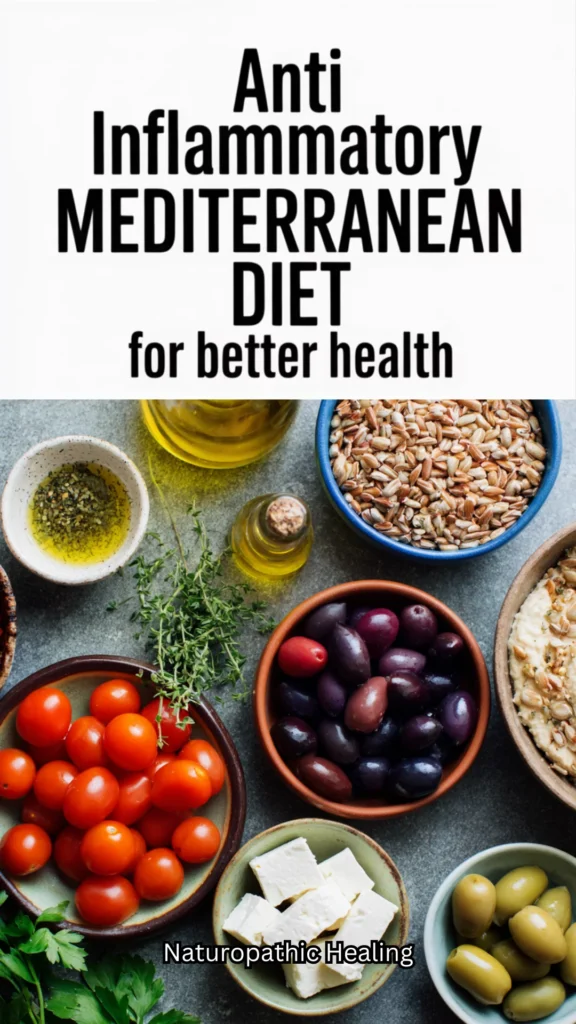
The beauty of the Mediterranean diet lies in its flexibility, but certain foods deserve special attention for their inflammation-fighting properties:
- Olive oil contains oleocanthal, a compound that works similarly to ibuprofen in reducing inflammation. Use it generously in cooking and salad dressings.
- Fatty fish like salmon, sardines, and anchovies provide EPA and DHA omega-3s that directly counteract inflammatory processes in your body.
- Berries are antioxidant powerhouses. Blueberries, strawberries, and blackberries contain anthocyanins that reduce inflammatory markers.
- Leafy greens such as spinach, kale, and arugula provide vitamins A, C, and K, plus compounds that help your liver detoxify inflammatory substances.
- Nuts and seeds, especially walnuts and flaxseeds, offer plant-based omega-3s and vitamin E, both potent anti-inflammatory nutrients.
- Tomatoes contain lycopene, which becomes more bioavailable when cooked. This compound has been shown to reduce inflammation and protect against chronic diseases.
Delicious Anti-Inflammatory Mediterranean Recipes to Try Today
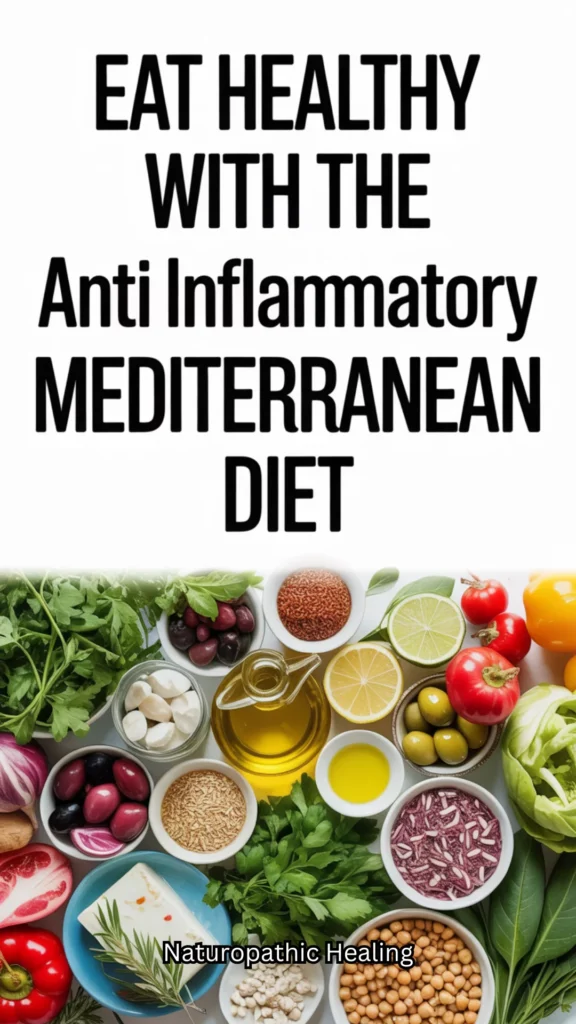
Mediterranean Quinoa Bowl
Ingredients:
- 1 cup cooked quinoa
- 1/4 cup cherry tomatoes, halved
- 1/4 cup cucumber, diced
- 2 tablespoons red onion, finely chopped
- 1/4 cup Kalamata olives, pitted
- 2 tablespoons feta cheese, crumbled
- 2 tablespoons extra virgin olive oil
- 1 tablespoon lemon juice
- 1 teaspoon dried oregano
- Salt and pepper to taste
- Fresh parsley for garnish
Instructions:
- Combine quinoa, tomatoes, cucumber, red onion, and olives in a large bowl
- Whisk together olive oil, lemon juice, oregano, salt, and pepper
- Pour dressing over quinoa mixture and toss to combine
- Top with feta cheese and fresh parsley
- Serve immediately or chill for 30 minutes to let flavors meld
Anti-Inflammatory Salmon with Herb Crust
Ingredients:
- 4 salmon fillets (6 oz each)
- 2 tablespoons extra virgin olive oil
- 1/4 cup fresh parsley, chopped
- 2 tablespoons fresh dill, chopped
- 2 cloves garlic, minced
- 1 lemon, zested and juiced
- 1 tablespoon capers, chopped
- Salt and black pepper to taste
Instructions:
- Preheat oven to 400°F (200°C)
- Pat the salmon fillets dry and season with salt and pepper
- Mix olive oil, herbs, garlic, lemon zest, and capers in a small bowl
- Place salmon on a lined baking sheet and top with herb mixture
- Bake for 12-15 minutes until the fish flakes easily with a fork
- Drizzle with lemon juice before serving
- Pair with roasted vegetables or a simple salad
Mediterranean Chickpea and Vegetable Stew
Ingredients:
- 2 tablespoons extra virgin olive oil
- 1 large onion, diced
- 3 cloves garlic, minced
- 1 bell pepper, chopped
- 2 cups cherry tomatoes
- 1 can (15 oz) chickpeas, drained and rinsed
- 2 cups vegetable broth
- 1 teaspoon ground cumin
- 1 teaspoon smoked paprika
- 1/2 teaspoon turmeric
- 2 cups fresh spinach
- Salt and pepper to taste
- Fresh basil for garnish
Instructions:
- Heat olive oil in a large pot over medium heat
- Sauté onion and garlic until fragrant, about 3 minutes
- Add bell pepper and cook for 5 minutes
- Stir in tomatoes, chickpeas, broth, and all spices
- Bring to a boil, then reduce the heat and simmer for 20 minutes
- Add spinach and cook until wilted
- Season with salt and pepper
- Garnish with fresh basil and serve with whole-grain bread

Making the Anti-Inflammatory Mediterranean Diet Work for Your Lifestyle
Starting any new eating pattern can feel overwhelming, but the Mediterranean diet is remarkably adaptable. Begin by making small changes – swap butter for olive oil, add an extra serving of vegetables to your meals, or replace refined grains with whole-grain alternatives.
Meal prep becomes your friend with this approach. Batch cook grains, roast vegetables, and prepare proteins in advance. This makes it easy to throw together anti-inflammatory meals throughout the week, even when you’re busy.
Don’t forget about hydration – water should be your primary beverage, but moderate red wine consumption (about one glass per day for women, two for men) is part of the traditional Mediterranean lifestyle and may provide additional anti-inflammatory benefits.
The Long-Term Benefits You Can Expect
People who consistently follow an anti-inflammatory Mediterranean diet report increased energy levels, better sleep, reduced joint pain, and improved mood within just a few weeks. The long-term benefits are even more impressive – reduced risk of heart disease, stroke, certain cancers, and age-related cognitive decline.
Your skin may become clearer, your digestion may improve, and you might find it easier to maintain a healthy weight. These aren’t just anecdotal reports – they’re backed by extensive research showing the powerful anti-inflammatory effects of this eating pattern.
Remember, the anti-inflammatory Mediterranean diet isn’t about perfection – it’s about progress. Focus on adding more of the good stuff rather than restricting yourself, and you’ll find this becomes a sustainable, enjoyable way of eating that supports your health for years to come.
Start Your Anti-Inflammatory Journey Today
The Mediterranean diet offers a delicious, sustainable path to reducing inflammation and improving your overall health. By focusing on whole foods, healthy fats, and plenty of colorful plants, you’re giving your body the tools it needs to fight inflammation naturally.
Ready to transform your health with these amazing recipes and tips? Save this pin to your favorite healthy eating Pinterest board and share it with friends who could benefit from learning about the anti-inflammatory Mediterranean diet!

Recommended Readings
- 7-Day Anti-Inflammatory Diet Meal Plan for Beginners
- 10 Delicious Anti-Inflammatory Snacks to Boost Your Health
- High-Protein Anti-Inflammatory Recipes
- 10 Anti-Inflammation Diet Recipes for Beginners
- 10 Anti-Inflammatory Vegan Recipes to Boost Your Health
- 10 Anti-Inflammatory Smoothie Recipes to Boost Your Health
- 5 Powerful Anti-Inflammatory Soup Recipes to Heal Your Body
- Anti-Inflammatory Turmeric Chicken Soup
- Anti-Inflammatory Food List: Your Guide to Fighting Inflammation Naturally
- The Complete Guide to an Anti-Inflammatory Diet
- 10 Delicious Anti-Inflammation Breakfast Recipes to Start Your Day
