
Navigating the hot flashes, mood swings, and sleepless nights of menopause can be exhausting. Fortunately, finding gentle, holistic support can make a huge difference. Let’s explore the best teas for menopause relief, a soothing, natural way to reclaim your balance and calm.
Table of Contents
Why the Best Teas for Menopause Relief Actually Work

Before we get to the good stuff, here’s why herbal teas for menopause deserve a spot in your daily routine. Many herbs contain phytoestrogens — plant compounds that mimic estrogen in the body — which can help ease the hormonal chaos of perimenopause and menopause. Others work by calming the nervous system, reducing inflammation, or regulating body temperature. Best of all, they’re gentle, affordable, and easy to incorporate into your day.
Here is a quick-reference guide to help you choose the best teas for menopause relief for your specific symptoms:
| Tea Type | Primary Menopause Benefit | Flavor Profile |
| Red Clover | Reduces hot flash frequency | Mild, slightly grassy |
| Black Cohosh | Eases night sweats & mood swings | Earthy, slightly bitter |
| Sage | Cools excessive sweating | Herbal, savory |
| Valerian Root | Promotes deep sleep | Strong, pungent, earthy |
| Chamomile | Reduces anxiety & aids digestion | Mild, floral, comforting |
| Peppermint | Immediate cooling sensation | Minty, refreshing |
| Ashwagandha | Balances stress hormones (cortisol) | Earthy, best with milk |
| Dong Quai | Regulates overall hormonal balance | Sweet, slightly bitter |
| Lemon Balm | Lifts low mood & calms irritability | Bright, citrusy, zesty |
While brewing a daily cup of tea is a fantastic habit, it works best when combined with other supportive lifestyle tweaks. If you are looking to build a complete holistic toolkit, check out our guide on 15 Natural Remedies for Menopause That Actually Work.
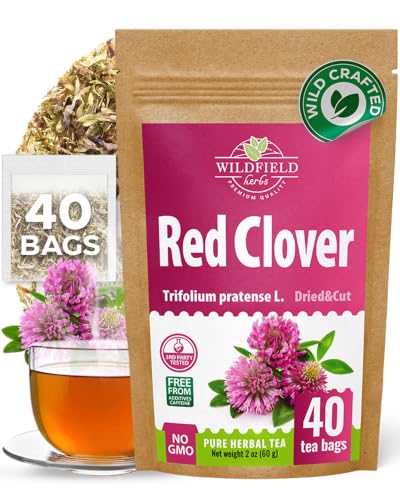
1. Red Clover Tea — The Phytoestrogen Powerhouse
Red clover is one of the most studied natural remedies for hot flashes, and for good reason. It’s packed with isoflavones, a type of phytoestrogen that can help reduce the frequency and intensity of hot flashes. Some studies suggest that women who drink red clover tea or take red clover supplements experience significantly fewer hot flashes over time.
It also has a mild, slightly grassy flavor that pairs beautifully with a drizzle of honey. If hot flash relief is your top priority, start here.
2. Black Cohosh Tea — A Traditional Favorite
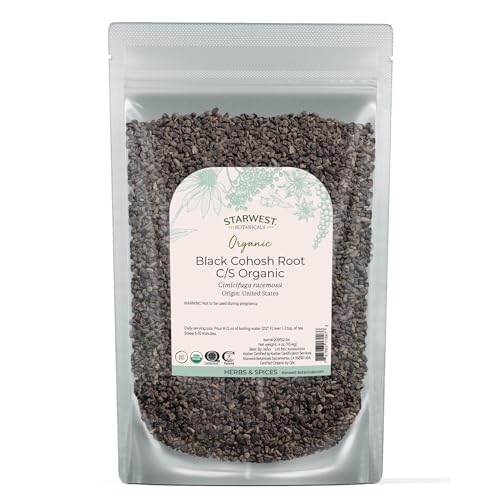
Black cohosh has been used by Native American healers for centuries, and it remains one of the most popular herbal teas for menopause symptoms today. It’s particularly known for its ability to ease hot flashes, night sweats, and mood disturbances.
The active compounds in black cohosh appear to interact with serotonin receptors, which helps explain its mood-lifting effects. Just keep in mind: if you have liver issues, check with your doctor before making this a daily habit.
3. Sage Tea — Nature’s Sweat Stopper
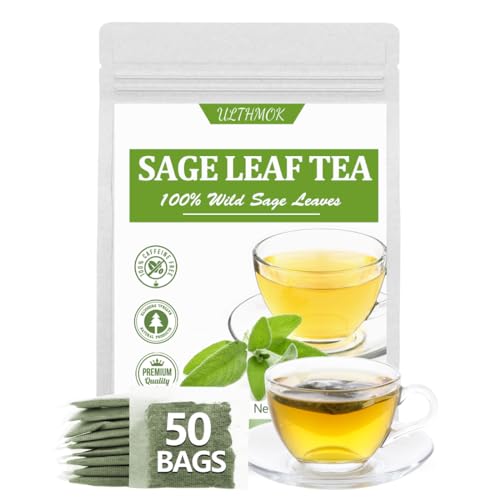
Here’s one that might surprise you — sage is not just for cooking. Sage tea for menopause has a growing body of research behind it, specifically for reducing excessive sweating and hot flashes. The plant contains compounds that act on the hypothalamus (your brain’s internal thermostat), helping to cool things down.
One study found that a daily sage tablet reduced hot flash intensity by nearly 50% after just eight weeks. Brew your own sage tea for hot flashes by steeping a few fresh or dried leaves in boiling water for about 10 minutes. Simple and effective.
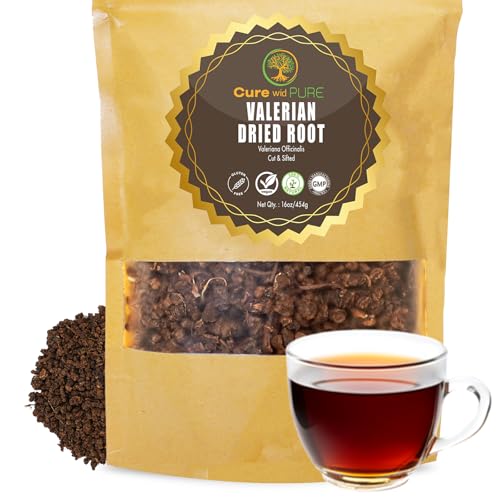
4. Valerian Root Tea — Your New Sleep Best Friend
If menopause has turned your nights into a battle, valerian root tea for sleep could be a game-changer. Valerian is widely used as a natural sleep aid during menopause, helping to calm the nervous system and reduce the time it takes to fall asleep.
It’s not the prettiest-smelling tea — honestly, it’s a bit earthy and pungent — but the results speak for themselves. Many women report deeper, more restful sleep after a few weeks of nightly use. Add some cinnamon or mint to make it more palatable.
5. Chamomile Tea — The Gentle All-Rounder
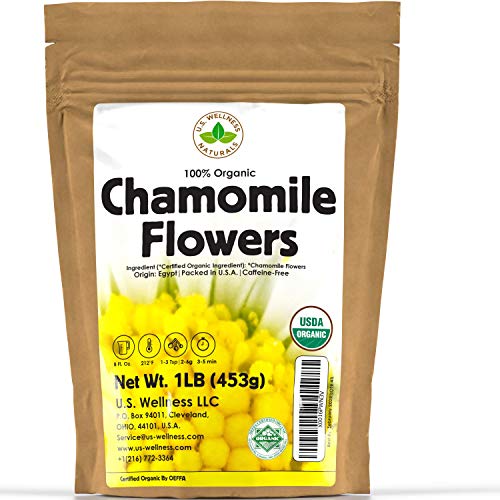
Chamomile might be the most familiar tea on this list, and there’s a reason it’s been a bedtime staple for generations. Chamomile tea for menopause works on several levels: it reduces anxiety, promotes sleep, eases digestive discomfort (a common but undertalked menopause symptom), and has mild anti-inflammatory effects.
It’s also one of the safest options for daily use. If you are exploring the best teas for menopause relief, chamomile is a wonderful starting point — comforting, effective, and universally loved. For even more targeted gut support during this transition, consider pairing your evening tea with one of the Best Probiotics for Menopause: Top Strains for Hormone Balance.
6. Peppermint Tea — Cooling from the Inside Out
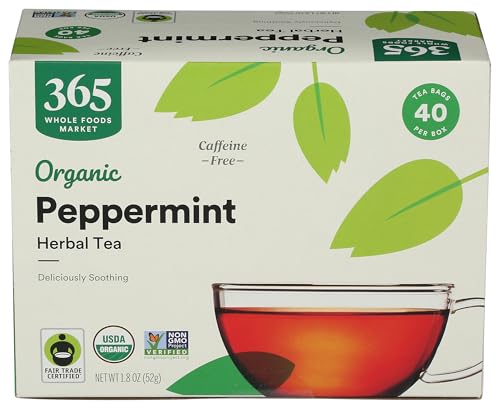
Hot flashes making you feel like you’re standing in a furnace? Peppermint tea for hot flashes can offer almost immediate cooling relief. The menthol in peppermint activates cold receptors in the skin and mouth, creating a natural cooling sensation that many women find genuinely refreshing during a flash.
Beyond hot flashes, peppermint is great for menopause bloating and digestive issues, which are far more common than most people talk about. Drink it iced in summer or hot in winter—it works either way. If you prefer icy, nutrient-packed drinks to beat the heat of a hot flash, you will also love these 10 Best Smoothies for Women During Menopause.

7. Ashwagandha Tea — The Stress and Hormone Balancer
Ashwagandha is an adaptogenic herb, which means it helps your body adapt to stress — and let’s be real, hormonal upheaval is one serious stressor. Ashwagandha tea for menopause has been shown to support hormonal balance, reduce cortisol levels, improve energy, and even support thyroid function.
It also has emerging evidence for improving sleep quality during menopause and reducing anxiety. The flavor is earthy and slightly bitter, so blend it with warm milk and a dash of cardamom for a cozy, latte-style drink.

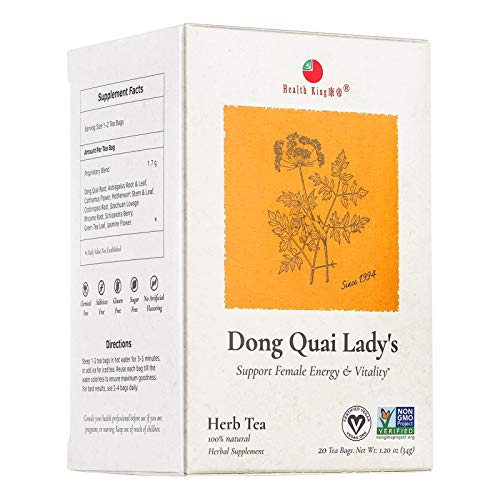
8. Dong Quai Tea — The Chinese Herbal Classic
Dong quai (also known as “female ginseng”) has been used in Traditional Chinese Medicine for thousands of years to support women’s hormonal health. It’s often recommended as a natural remedy for menopause symptoms like hot flashes, irregular periods, and mood swings.
It contains phytoestrogens and ferulic acid, which together help modulate estrogen activity. Note: dong quai can increase sensitivity to sunlight and should be avoided if you’re on blood thinners.
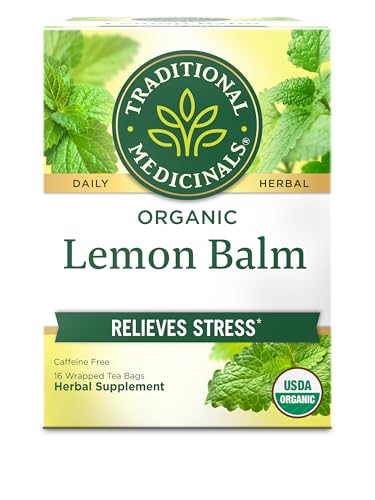
9. Lemon Balm Tea — Mood and Anxiety Support
Menopause mood swings are real, and they can hit hard. Lemon balm tea for menopause is a gentle but effective option for managing anxiety, irritability, and low mood. It works by inhibiting the breakdown of GABA (a calming neurotransmitter in the brain), leaving you feeling more relaxed and emotionally balanced.
It’s also a lovely afternoon tea — bright, citrusy, and refreshing. Pair it with chamomile for a double dose of calm.
How to Get the Most from Your Menopause Tea Routine

Getting the maximum benefits from the best teas for menopause relief is all about consistency. Pairing your new tea habit with a hormone-friendly diet is the ultimate way to support your changing body—our 7-Day Menopausal Diet Meal Plan for Energy and Weight Control is the perfect companion to get you started. Here are a few more tips to make your tea routine work:
- Brew it strong. Use 1–2 teaspoons of dried herb per cup and steep for at least 10 minutes.
- Drink it daily. Most herbs take 2–4 weeks of regular use to show noticeable effects.
- Rotate your teas. Combine two or three of these teas throughout the day for broader support — chamomile at night, peppermint in the afternoon, sage in the morning.
- Track your symptoms. Keep a simple journal to notice what’s working for you.
A Note on Safety
While even the best teas for menopause relief are generally safe, they’re not one-size-fits-all. Always check with your healthcare provider if you’re on medications or have underlying health conditions. Some herbs (like dong quai and black cohosh) interact with certain drugs or aren’t suitable for everyone. Additionally, because herbs like red clover and dong quai contain phytoestrogens, women with a history of hormone-sensitive cancers (such as estrogen-receptor-positive breast cancer) should always consult their doctor or oncologist before adding them to their routine.
Save This for Later — Share the Wellness!
If you found this guide helpful, don’t let it disappear into the internet void! Save this pin to your favorite Pinterest wellness board so you can come back to it whenever you need a reminder of which tea to reach for. And if you have a friend who’s going through the same season of life, share this with her — because every woman deserves to feel supported, naturally.

