

Looking to kickstart your weight loss journey or maintain a healthy lifestyle? A 1200-calorie diet meal plan might be exactly what you need. This approach has helped countless people achieve their health goals without feeling deprived or spending hours in the kitchen. Let me walk you through everything you need to know about following a 1200-calorie diet, complete with a week’s worth of delicious meals that’ll keep you satisfied and on track. And before you dive in, don’t forget to download the free printable PDF version of the 7-day meal plan—perfect to save on your phone, print, or reference anytime.
Table of Contents
What Is a 1200-Calorie Diet?
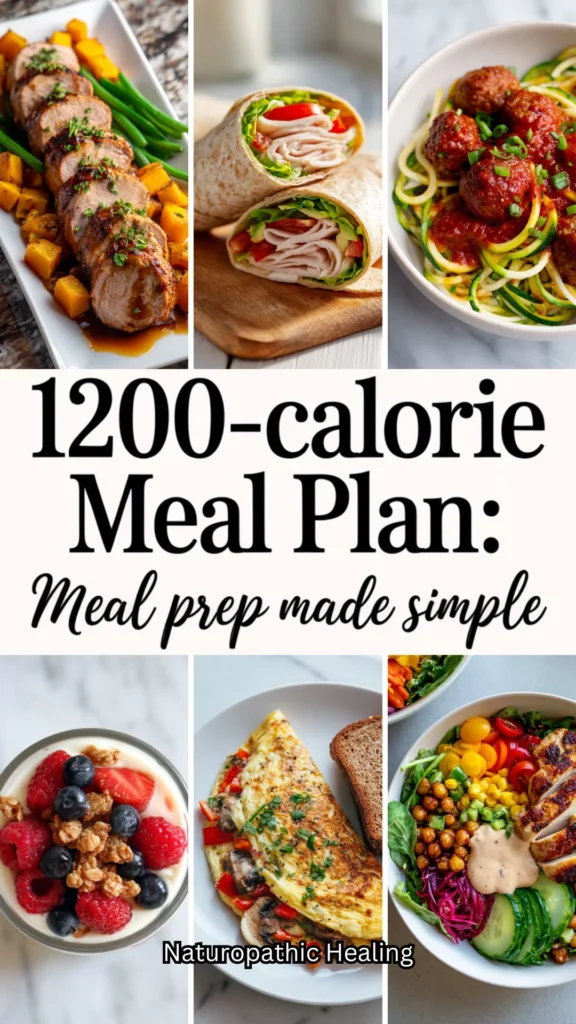
A 1200-calorie diet meal plan is a reduced-calorie eating approach designed to create a calorie deficit for weight loss. It’s considered the minimum caloric intake for most adults to ensure you’re getting enough nutrients while still losing weight effectively.
This type of diet plan works by restricting your daily calorie intake to 1200 calories, which for most people creates a deficit of 500-800 calories per day. That translates to losing about 1-2 pounds per week, which is the sweet spot recommended by health professionals.
However, it’s important to note that this calorie level isn’t suitable for everyone. Active individuals, men, pregnant women, and people with certain health conditions may need more calories. Always consult with a healthcare provider before starting any restrictive diet.
Benefits of Following a 1200-Calorie Meal Plan

When done correctly, a 1200-calorie diet offers several advantages. You’ll experience steady weight loss without extreme restrictions, learn proper portion control, and develop healthier eating habits that can last a lifetime.
The structured nature of this meal plan takes the guesswork out of eating. You won’t waste time wondering what to cook or whether you’re eating too much. Everything’s planned out, making it easier to stick with your goals.
Plus, you’ll likely notice improved energy levels, better sleep, and enhanced mental clarity as your body adjusts to eating nutrient-dense foods instead of empty calories.
Your Complete 7-Day 1200-Calorie Diet Meal Plan

Here’s a simple, practical weekly meal plan that balances nutrition with taste. Each day provides approximately 1200 calories divided across three meals and one snack.
Day 1
- Breakfast (300 calories): Greek yogurt parfait with 1 cup non-fat Greek yogurt, ½ cup mixed berries, and 2 tablespoons granola
- Lunch (350 calories): Grilled chicken salad with 3 oz chicken breast, mixed greens, cherry tomatoes, cucumber, and balsamic vinaigrette
- Snack (100 calories): One medium apple with 1 tablespoon almond butter
- Dinner (450 calories): Baked salmon (4 oz) with roasted asparagus and ½ cup quinoa
Day 2
- Breakfast (280 calories): Two scrambled eggs with spinach and one slice whole-wheat toast
- Lunch (380 calories): Turkey and avocado wrap using a whole-wheat tortilla, 3 oz turkey, ¼ avocado, lettuce, and tomato
- Snack (90 calories): 1 cup baby carrots with 2 tablespoons hummus
- Dinner (450 calories): Lean beef stir-fry with mixed vegetables over cauliflower rice
Day 3
- Breakfast (310 calories): Overnight oats made with ½ cup oats, 1 cup almond milk, chia seeds, and sliced banana
- Lunch (340 calories): Tuna salad stuffed in one whole-wheat pita with lettuce and tomato
- Snack (100 calories): 1 oz almonds (about 23 nuts)
- Dinner (450 calories): Grilled chicken breast (4 oz) with roasted sweet potato and steamed broccoli
Day 4
- Breakfast (290 calories): Smoothie bowl with protein powder, frozen berries, banana, and topped with sliced almonds
- Lunch (360 calories): Vegetable soup with white beans and a side salad with light dressing
- Snack (110 calories): String cheese with 10 whole-grain crackers
- Dinner (440 calories): Baked cod with lemon, roasted Brussels sprouts, and ½ cup brown rice
Day 5
- Breakfast (300 calories): Whole-wheat English muffin with 2 tablespoons peanut butter and sliced strawberries
- Lunch (350 calories): Chicken and vegetable Buddha bowl with mixed greens, roasted chickpeas, and tahini dressing
- Snack (100 calories): 1 cup sliced bell peppers with 2 tablespoons guacamole
- Dinner (450 calories): Turkey meatballs (4 oz) with zucchini noodles and marinara sauce
Day 6
- Breakfast (280 calories): Cottage cheese (1 cup) with pineapple chunks and a sprinkle of cinnamon
- Lunch (370 calories): Grilled shrimp (4 oz) over mixed greens with mango, avocado, and lime vinaigrette
- Snack (100 calories): One small pear with 10 pistachios
- Dinner (450 calories): Baked chicken thigh (4 oz) with roasted root vegetables and a small dinner roll
Day 7
- Breakfast (310 calories): Veggie omelet made with two eggs, mushrooms, peppers, onions, and one slice whole-grain toast
- Lunch (340 calories): Lentil soup with a side of mixed greens and light vinaigrette
- Snack (100 calories): ½ cup blueberries with 2 tablespoons whipped cream
- Dinner (450 calories): Grilled pork tenderloin (4 oz) with roasted butternut squash and green beans
Your Complete Grocery List for the Week
Shopping for your 1,200-calorie diet meal plan doesn’t have to be overwhelming. Here’s everything you need to tackle this 7-day plan successfully. Print this list and head to the store with confidence.
Proteins
- Chicken breast (24 oz)
- Salmon fillet (4 oz)
- Lean ground beef (4 oz)
- Turkey breast slices (9 oz)
- Canned tuna (1 can)
- Cod fillet (4 oz)
- Ground turkey (8 oz for meatballs)
- Shrimp (4 oz)
- Pork tenderloin (4 oz)
- Eggs (1 dozen)
- Non-fat Greek yogurt (2 cups)
- Cottage cheese (1 cup)
- String cheese (1 package)
Grains and Bread
- Whole-wheat bread (1 loaf)
- Whole-wheat tortillas (1 package)
- Whole-wheat pita bread (1 package)
- Whole-wheat English muffins (1 package)
- Granola (small bag)
- Rolled oats (1 container)
- Quinoa (1 bag)
- Brown rice (1 bag)
- Whole-grain crackers (1 box)
- Small dinner rolls (1 package)
Fruits
- Mixed berries (fresh or frozen, 3 cups)
- Apples (3 medium)
- Bananas (3)
- Strawberries (1 pint)
- Pineapple chunks (1 cup)
- Mango (1)
- Blueberries (1 cup)
- Pears (2 small)
- Lemons (2)
Vegetables
- Mixed salad greens (2 large containers)
- Spinach (1 bag)
- Cherry tomatoes (2 pints)
- Cucumbers (2)
- Avocados (2)
- Baby carrots (1 bag)
- Bell peppers (4 mixed colors)
- Asparagus (1 bunch)
- Broccoli (2 heads)
- Sweet potatoes (2 medium)
- Brussels sprouts (1 bag)
- Zucchini (3)
- Mushrooms (8 oz)
- Onions (2)
- Butternut squash (1)
- Green beans (1 bag)
- Cauliflower (1 head for cauliflower rice)
Pantry Staples
- Almond butter (1 jar)
- Peanut butter (1 jar)
- Hummus (1 container)
- Almonds (1 bag)
- Chia seeds (1 bag)
- Pistachios (small bag)
- Almond milk (1 carton)
- Olive oil
- Balsamic vinaigrette
- Light salad dressing
- Marinara sauce (1 jar)
- Tahini (1 jar)
- Guacamole (small container)
- Protein powder (optional)
- Canned white beans (1 can)
- Canned chickpeas (1 can)
- Low-sodium vegetable broth (1 carton)
- Whipped cream (small container)
- Spices: salt, pepper, cinnamon, garlic powder
Tips for Success on Your 1200-Calorie Journey

Making this meal plan work requires more than just following recipes. Start by meal prepping on Sundays to save time during the busy week. Cook proteins in bulk, chop vegetables ahead, and portion out snacks so you’re never caught unprepared.
Stay hydrated throughout the day. Sometimes we confuse thirst with hunger, and drinking water can help manage appetite while supporting overall health. Aim for at least 8 glasses daily.
Don’t skip meals thinking it’ll speed up weight loss. Eating regularly keeps your metabolism active and prevents the ravenous hunger that leads to overeating later. Stick to the schedule as much as possible.
Track your food intake using an app or journal. This accountability helps you stay aware of what you’re eating and makes it easier to identify patterns or areas for improvement.
Foods to Emphasize on a 1200-Calorie Diet Plan
Focus on nutrient-dense foods that give you the most bang for your caloric buck. Lean proteins like chicken, fish, turkey, and legumes keep you full while preserving muscle mass during weight loss.
Load up on non-starchy vegetables like leafy greens, broccoli, cauliflower, peppers, and zucchini. These are low in calories but high in fiber, vitamins, and minerals, meaning you can eat generous portions without blowing your calorie budget.
Choose complex carbohydrates like quinoa, brown rice, sweet potatoes, and whole-grain bread over refined options. They provide sustained energy and keep you satisfied longer.
Don’t fear healthy fats. Avocado, nuts, seeds, and olive oil in moderation support hormone production and help absorb fat-soluble vitamins.
Foods to Limit or Avoid
When following a 1200-calorie diet meal plan, you need to be strategic about every bite. Skip sugary drinks, including soda, juice, and fancy coffee beverages. These liquid calories add up quickly without providing satiety.
Minimize processed snacks like chips, cookies, and candy. They’re calorie-dense but nutritionally empty, leaving you hungry shortly after eating.
Be cautious with high-calorie condiments and dressings. A seemingly innocent salad can become a calorie bomb when drenched in creamy dressing. Opt for vinaigrettes or lemon juice instead.
Limit alcohol consumption as it provides empty calories and can lower inhibitions, making it harder to stick with your plan.
Common Mistakes to Avoid
One major mistake people make is not eating enough protein. Protein helps maintain muscle mass during weight loss and keeps you feeling full. Aim for at least 20-30 grams per meal.
Another pitfall is going too long without eating. While intermittent fasting works for some, most people on a 1200-calorie plan do better eating every 3-4 hours to maintain stable blood sugar and energy levels.
Don’t forget about strength training. While this diet plan will help you lose weight, incorporating resistance exercise ensures you’re losing fat, not muscle.
Finally, avoid the all-or-nothing mentality. If you overeat one day or deviate from the plan, don’t throw in the towel. Just get back on track with your next meal.
Is This Diet Right for You?
A 1200-calorie diet meal plan works well for sedentary or lightly active women looking to lose weight. It can also be appropriate for shorter individuals with lower caloric needs.
However, this calorie level is generally too low for men, highly active individuals, teenagers, pregnant or nursing women, and people with certain medical conditions. If you find yourself constantly hungry, exhausted, or unable to focus, you may need more calories.
Listen to your body and be willing to adjust. Weight loss should be sustainable and leave you feeling energized, not depleted.
Final Thoughts
A 1200-calorie diet meal plan offers a structured, effective approach to weight loss when done correctly. This 7-day guide provides balanced, nutritious meals that won’t leave you feeling deprived while helping you reach your goals.
Remember, sustainable weight loss is a marathon, not a sprint. Be patient with yourself, stay consistent, and celebrate the small victories along the way. You’ve got this!
Love this 1200-calorie diet meal plan? Save this pin to your healthy eating or meal planning Pinterest board so you can reference it anytime! Don’t forget to share it with friends who might benefit from this simple 7-day guide to healthier eating.

Recommended Readings
- 10 Easy Carnivore Diet Snacks You Can Eat on the Go
- 15 Carnivore Diet Breakfast Ideas to Start Your Day Right
- 10 Easy Carnivore Diet Recipes to Simplify Your Meal Planning
- 7-Day Carnivore Diet Meal Plan for Women: Your Complete Guide
- 7-Day Carnivore Diet Meal Plan for Beginners: Your Complete Guide to Getting Started
- The Anti-Inflammatory Mediterranean Diet: What You Need to Know
- 7-Day Anti-Inflammatory Diet Meal Plan for Beginners
- 10 Delicious Anti-Inflammatory Snacks to Boost Your Health
- High-Protein Anti-Inflammatory Recipes
- 10 Anti-Inflammation Diet Recipes for Beginners
- 10 Anti-Inflammatory Vegan Recipes to Boost Your Health
- 10 Anti-Inflammatory Smoothie Recipes to Boost Your Health
- 5 Powerful Anti-Inflammatory Soup Recipes to Heal Your Body
- Anti-Inflammatory Turmeric Chicken Soup
- Anti-Inflammatory Food List: Your Guide to Fighting Inflammation Naturally
- The Complete Guide to an Anti-Inflammatory Diet
- 10 Delicious Anti-Inflammation Breakfast Recipes to Start Your Day

What do you consider root vegetables? Carrots and sweet potatoes. Quantity for these please
Hi! Great question. In this meal plan, root vegetables generally include foods like carrots, sweet potatoes, beets, parsnips, and turnips. A typical portion would be about ½ to 1 cup cooked or one small to medium root vegetable per serving to keep the meal within the 1200-calorie target. Hope that helps!
Thank you!